
AI mental wellness apps are changing how people manage everyday stress, anxiety, and emotional fatigue. Instead of waiting for therapy appointments or relying on generic self-help advice, millions now turn to intelligent platforms that learn their unique patterns and respond with personalized support.
If you have tried meditation videos that do not fit your mood, or mood trackers that feel like extra homework, you know the frustration. Modern artificial intelligence approaches mental wellbeing differently. It pays attention to your language, notices changes in your routines, and offers help that matches your actual moment—not a one-size-fits-all script.
This article takes a different path. Rather than listing features, we follow a realistic week in the life of someone using these tools. You will see how different platforms fit into real moments: a stressful morning, a quiet evening, a tough conversation, a restless night. The goal is practical clarity: which tool helps when, and how to build a routine that actually sticks.
- A Week With AI Support: How These Tools Fit Real Life
- Monday Morning: Quick Calm Before the Day Starts
- Midweek Check-In: Spotting Patterns Before They Spiral
- Evening Wind-Down: Sleep, Reflection, and Recovery
- Weekend Reset: Building Habits That Last
- Seven Platforms Tested in Real Scenarios
- Making It Work: Simple Rules for Sustainable Use
- Knowing the Limits: When to Seek Human Support
- Frequently Asked Questions
A Week With AI Support: How These Tools Fit Real Life
Mental health is not a single event. It unfolds across days, hours, and moments. A tool that helps during a panic attack may not help you build long-term resilience. A habit tracker may feel useless when you need immediate relief.
AI mental wellness apps work best when matched to specific moments. This guide organizes them by the times you actually need help:
- Urgent moments: When stress hits and you need quick support
- Pattern moments: When you want to understand what triggers your anxiety
- Recovery moments: When you need to rest, reflect, or reset
- Growth moments: When you are ready to build stronger habits
Think less “which app is best?” and more “what do I need right now?”
“Managing your time with intention can be a powerful form of self-care. When you track how you spend your hours, you gain clarity on what drains your energy and what restores it. Our guide on AI tools for time tracking shows you how to automate this awareness, reduce decision fatigue, and create space for the practices that truly support your mental wellbeing.”
Monday Morning: Quick Calm Before the Day Starts
You wake up with a tight chest. A big meeting is in two hours. Your mind races through worst-case scenarios.
What helps: A conversational tool that meets you where you are. You type “I feel overwhelmed about my presentation.” The AI responds with a short grounding exercise, asks one clarifying question, and offers a two-minute breathing technique. No judgment. No waiting.
Why it works: Research shows that naming an emotion and applying a simple coping strategy within minutes can lower stress hormones. These tools deliver that window of support without requiring you to schedule anything or explain yourself to another person.
Platforms that fit: Woebot .Offer chat-based support grounded in evidence-based techniques like CBT. They are designed for moments when you need clarity fast.
Official Sites: https://www.woebothealth.com
Midweek Check-In: Spotting Patterns Before They Spiral
It is Wednesday. You notice you have felt irritable three days in a row. You cannot pinpoint why.
What helps: A tracking tool that connects dots you might miss. You log your mood, energy, and a few notes about your day. Over time, the AI spots correlations: poor sleep on Tuesday leads to higher anxiety on Wednesday. A difficult email triggers a half-day slump.
Why it works: Awareness creates options. When you see that your stress follows a predictable rhythm, you can intervene earlier. Maybe you adjust your bedtime. Maybe you schedule a short walk after tough meetings. The tool does not fix anything. It helps you see where to act.
Platforms that fit: MindDoc.Focus on longitudinal tracking and personalized insights. They turn scattered feelings into usable data.
Official Sites: https://minddoc.com
Evening Wind-Down: Sleep, Reflection, and Recovery
The day is done, but your mind will not quiet. You scroll, you worry, you stare at the ceiling.
What helps: A guided practice that adapts to your state. You open an app and answer one question: “How do you feel right now?” Based on your answer, the AI selects a short audio session—maybe a body scan, maybe a gratitude prompt, maybe a sleep story. It adjusts length and tone to match your energy.
Why it works: Consistent wind-down routines signal your nervous system that it is safe to rest. When the practice fits your actual mood—not an idealized version—you are more likely to stick with it.
Platforms that fit: Headspace.Use adaptive logic to personalize sessions. They learn which practices you return to and refine suggestions over time.
Official Sites: https://www.headspace.com
Weekend Reset: Building Habits That Last
You have a few free hours. You want to do more than just cope. You want to grow.
What helps: A platform that helps you practice new responses. Maybe you work on noticing negative self-talk. Maybe you practice setting small boundaries. The AI breaks big goals into tiny, repeatable actions and celebrates progress without pressure.
Why it works: Lasting change happens through repetition, not inspiration. When a tool makes practice feel manageable—and even rewarding—you build new neural pathways that support resilience over time.
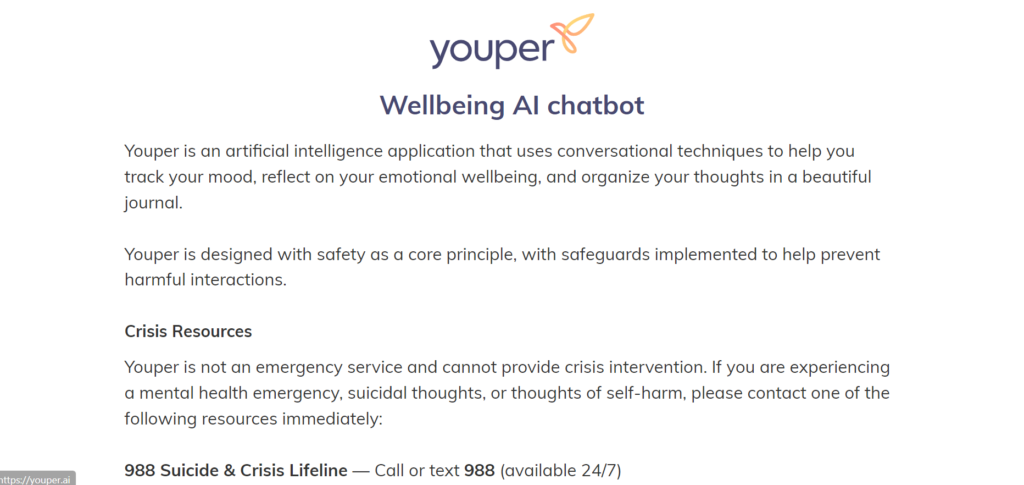
Platforms that fit:Youper. Emphasize habit formation and emotional skill-building through gentle, game-like interactions.
Official Sites:
Seven Platforms Tested in Real Scenarios
Rather than ranking features, here is how each platform performs across the moments above.
For Immediate Relief: Woebot or Wysa
- Best when: Stress hits suddenly and you need quick grounding
- Strengths: Conversational, evidence-based, available 24/7
- Limitations: Not designed for deep therapeutic work
For Pattern Recognition: MindDoc or Sanvello
- Best when: You want to understand your triggers and prevent burnout
- Strengths: Longitudinal tracking, predictive insights, clinical backing
- Limitations: Requires consistent logging to see value
For Sleep and Recovery: Headspace or Calm
- Best when: You struggle to unwind or maintain a rest routine
- Strengths: Adaptive content, large media libraries, gentle gamification
- Limitations: May feel generic if you need highly personalized interventions
For Habit Building: Finch or Youper
- Best when: You are ready to practice new emotional skills
- Strengths: Micro-habits, positive reinforcement, engaging interfaces
- Limitations: Less useful during acute crisis moments
For Clinical Support: BetterHelp
- Best when: You want AI tools alongside licensed therapy
- Strengths: Professional matching, progress tracking, continuity of care
- Limitations: Higher cost; AI augments but does not replace the therapist
Official Sites:
- BetterHelp: https://www.betterhelp.com
Making It Work: Simple Rules for Sustainable Use
Technology helps only when it fits your life. Follow these practical guidelines to avoid burnout from the tools themselves.
Start Small Pick one moment and one platform. Use it for two weeks before adding anything else. Consistency beats complexity.
Be Honest With Data The AI learns from what you share. Log moods and notes truthfully, even when it feels uncomfortable. Better data leads to better support.
Protect Your Privacy Mental health information is sensitive. Choose platforms with clear privacy policies, encryption, and options to delete your data. Avoid apps that monetize user data.
Schedule Digital Breaks Even helpful tools can become crutches. Set aside screen-free time each week to reconnect with offline coping strategies: walking, journaling, talking to a friend.
Reassess Quarterly Your needs change. Every few months, ask: Is this tool still helping? Do I need to adjust my routine or try a different platform.
Knowing the Limits: When to Seek Human Support
AI mental wellness apps are powerful supplements. They are not replacements for professional care.
These tools cannot:
- Diagnose clinical conditions like depression, PTSD, or bipolar disorder
- Provide crisis intervention for suicidal thoughts or severe panic
- Replace the healing power of a trusted therapeutic relationship
- Account for complex life circumstances that require nuanced judgment
Use AI support when:
- You need immediate coping strategies for everyday stress
- You want to track patterns and build self-awareness
- You are supplementing therapy with between-session practice
- You prefer private, low-barrier entry to mental health support
Seek human care when:
- Symptoms persist or worsen despite using digital tools
- You experience thoughts of self-harm or harm to others
- Daily functioning is significantly impaired
- You need diagnosis, medication management, or specialized treatment
Reputable apps include crisis resources and encourage professional consultation when appropriate. Always prioritize your safety over app engagement.
Frequently Asked Questions
Do these apps actually work?
Many platforms have published research showing measurable reductions in stress and anxiety symptoms for mild to moderate cases. Results vary by individual. Consistent use and realistic expectations improve outcomes.
Can I use multiple apps at once?
Yes, but avoid redundancy. Pair tools that serve different moments (e.g., Woebot for urgent support + Headspace for evening wind-down). Using multiple apps for the same purpose often creates notification fatigue.
How much time should I spend daily?
Start with 5-10 minutes. The goal is sustainable integration, not another task on your list. Let the tool fit your life, not dominate it.
What about privacy?
Choose platforms that encrypt data, comply with healthcare privacy standards, and give you control over deletion. Read privacy policies carefully before sharing sensitive information.
Do these work for neurodivergent users?
Many apps offer customization: adjustable notifications, simplified interfaces, alternative practice formats. Adapt the tool to your needs. If an app feels overwhelming, try a different one or adjust settings.
Can AI apps help with sleep anxiety?
Yes. Platforms like Calm and Headspace offer adaptive sleep content. For persistent insomnia, combine app use with sleep hygiene practices and consult a healthcare provider if needed.
What if I feel worse using an app?
Pause and reassess. Not every tool fits every person. If suggestions feel triggering or unhelpful, try a different platform or speak with a mental health professional.
Are these apps covered by insurance?
Some employer wellness programs or insurance plans cover subscriptions to specific platforms. Check with your provider. Many apps also offer financial assistance or free tiers.