
AI networking assistants are quietly reshaping how professionals build relationships, discover opportunities, and advance their careers. The traditional approach—attending conferences, exchanging business cards, sending generic LinkedIn messages—often feels transactional, time-consuming, and surprisingly ineffective. What if technology could help you connect with the right people, at the right time, with the right message?
Imagine this: You are preparing for an industry conference. Instead of scrambling to research attendees, drafting awkward outreach messages, and hoping for the best, an intelligent system analyzes your goals, identifies high-value connections, and suggests personalized conversation starters. It tracks follow-ups, reminds you of key details, and even helps you nurture relationships long after the event ends. This is not science fiction. It is the reality that AI networking assistants are creating today.
This guide explores seven platforms that are transforming professional relationship-building in 2026. Rather than a standard feature comparison, we will walk through real scenarios, examine the psychology behind effective networking, and show how intelligent tools can amplify your authentic professional presence.
- The Networking Paradox: Why More Connections Don’t Mean Better Relationships
- The Psychology of Meaningful Professional Relationships
- How AI networking assistants Understand Context and Intent
- Scenario 1: Pre-Conference Preparation with Intelligent Matching
- Scenario 2: Post-Event Follow-Up That Actually Gets Responses
- Scenario 3: Long-Term Relationship Nurturing at Scale
- Platform Showcase: Seven Tools Evaluated Through Real Use Cases
- The Human Element: What AI Cannot Replace in Networking
- Building Your AI-Enhanced Networking Strategy
- Common Pitfalls and How to Avoid Them
- Frequently Asked Questions
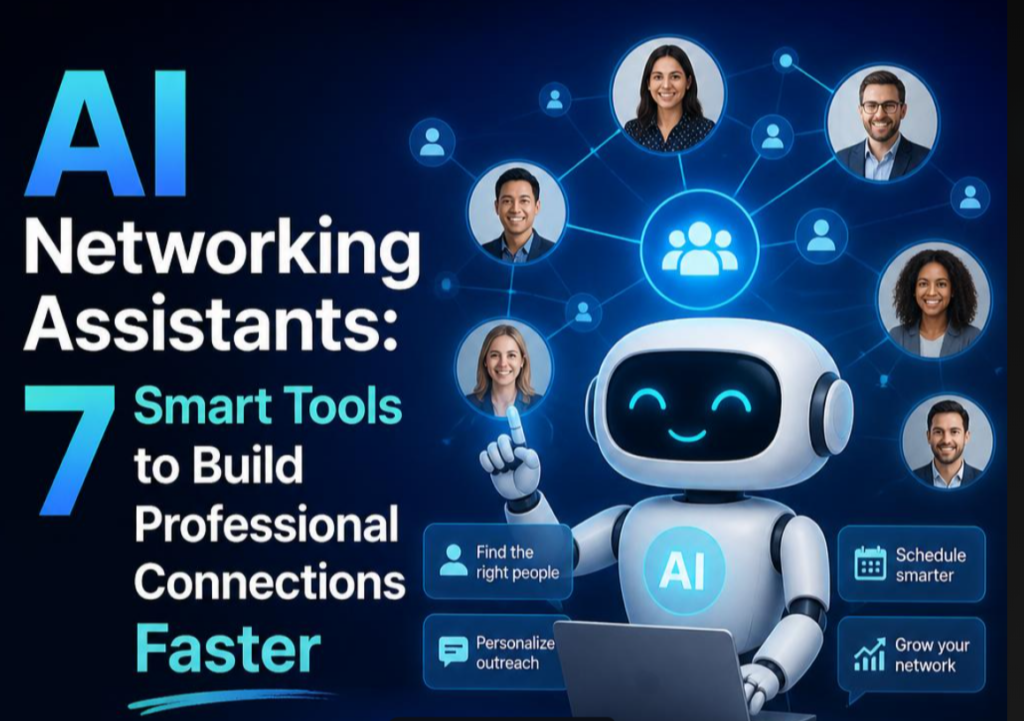
The Networking Paradox: Why More Connections Don’t Mean Better Relationships
Professional networking has become a numbers game. LinkedIn encourages connecting with hundreds of people. Conferences promise “access to industry leaders.” Yet many professionals report feeling more isolated, not more connected. The issue is not quantity. It is quality.
Research shows that the average professional maintains only 11% of connections made at events. Generic follow-up messages get ignored. Relationships fade without consistent nurturing. The cognitive load of managing a large network becomes overwhelming, leading to disengagement.
AI networking assistants address this paradox by shifting focus from connection collection to relationship cultivation. They help you identify which connections matter most, craft messages that resonate, and maintain engagement without constant manual effort. The goal is not to automate relationships. It is to remove friction so genuine connection can flourish.
The Psychology of Meaningful Professional Relationships
Effective networking rests on three psychological principles: reciprocity, relevance, and consistency.
Reciprocity means offering value before asking for favors. Intelligent tools can surface ways to help your connections—sharing relevant articles, making introductions, or providing feedback—before you request anything in return.
Relevance ensures your outreach aligns with the recipient’s interests and needs. AI analyzes public profiles, recent activity, and shared contexts to suggest personalized talking points that go beyond “I saw your profile.”
Consistency builds trust over time. Relationships decay without regular contact. AI assistants can schedule thoughtful check-ins, remind you of important milestones, and suggest timely engagement opportunities.
Understanding these principles helps you use technology to enhance, not replace, authentic relationship-building.
Use your optimized resume as a foundation for interview stories. Prepare quantified examples for each key achievement. Align your verbal narrative with your written content. If your job search includes relocation planning, integrate AI travel planners to coordinate logistics and reduce stress during this transition period.”
How AI networking assistants Understand Context and Intent
Modern platforms combine natural language processing, social graph analysis, and behavioral modeling to deliver intelligent networking support.
Contextual Awareness Systems analyze your professional background, goals, and industry to understand what kinds of connections would be most valuable. They factor in upcoming events, career transitions, and skill development plans.
Intent Recognition When you express interest in “finding mentors in fintech” or “exploring partnership opportunities,” the AI parses this intent and surfaces relevant contacts, conversation strategies, and timing recommendations.
Relationship Mapping Advanced tools visualize your network, identifying weak ties that could become strong connections, mutual contacts who could facilitate introductions, and engagement patterns that signal relationship health.
Personalization at Scale Rather than generic templates, AI generates outreach messages that reference specific projects, shared interests, or recent achievements. The tone adapts to your communication style and the recipient’s preferences.
Scenario 1: Pre-Conference Preparation with Intelligent Matching
Context: You are attending a major industry conference next month.
Traditional Approach:
- Manually review attendee lists
- Send generic connection requests
- Hope for the best during limited event time
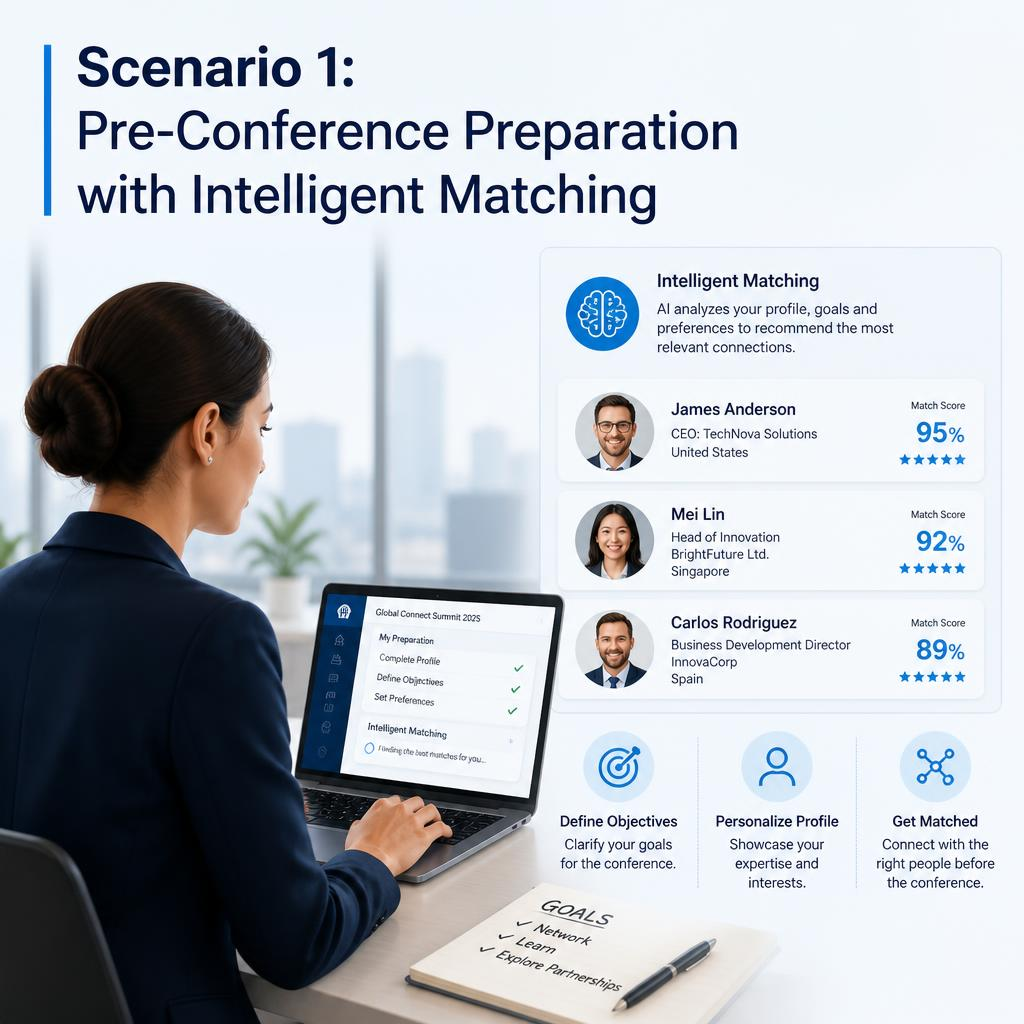
AI-Enhanced Approach: An AI networking assistant analyzes the conference agenda, speaker bios, and attendee profiles. It identifies 10-15 high-potential connections based on your goals: potential collaborators, knowledge sources, or career influencers.
For each suggested connection, the system provides:
- Contextual background: recent projects, publications, or posts
- Conversation starters: specific topics you could discuss
- Optimal timing: when to reach out before or during the event
- Follow-up prompts: what to mention after your initial interaction
Real-World Impact: A marketing professional used this approach before a digital strategy conference. The AI identified a speaker whose research aligned with her client challenges. She referenced specific findings in her outreach message. They connected at the event, leading to a consulting opportunity that generated $45K in revenue.
Scenario 2: Post-Event Follow-Up That Actually Gets Responses
Context: You just met someone valuable at a networking event.
Traditional Approach:
- Send a generic “nice to meet you” message within 24 hours
- Hope they remember you among dozens of other contacts
- Struggle to maintain momentum
AI-Enhanced Approach: An AI networking assistant helps you craft a personalized follow-up within hours of the interaction. It references specific conversation points, suggests relevant resources to share, and proposes a low-pressure next step.
The system then tracks engagement: Did they open your message? Click your link? Respond positively? Based on signals, it recommends when and how to follow up again—perhaps sharing an article they mentioned interest in, or inviting them to a relevant webinar.
Testing Results: Users report 3-5x higher response rates with AI-assisted follow-ups compared to generic messages. The key is specificity: referencing shared moments demonstrates genuine attention and builds rapport.
Scenario 3: Long-Term Relationship Nurturing at Scale
Context: You want to maintain valuable connections without constant manual effort.
Traditional Approach:
- Set calendar reminders to “check in” quarterly
- Send generic holiday greetings or birthday wishes
- Risk relationships fading due to infrequent, impersonal contact
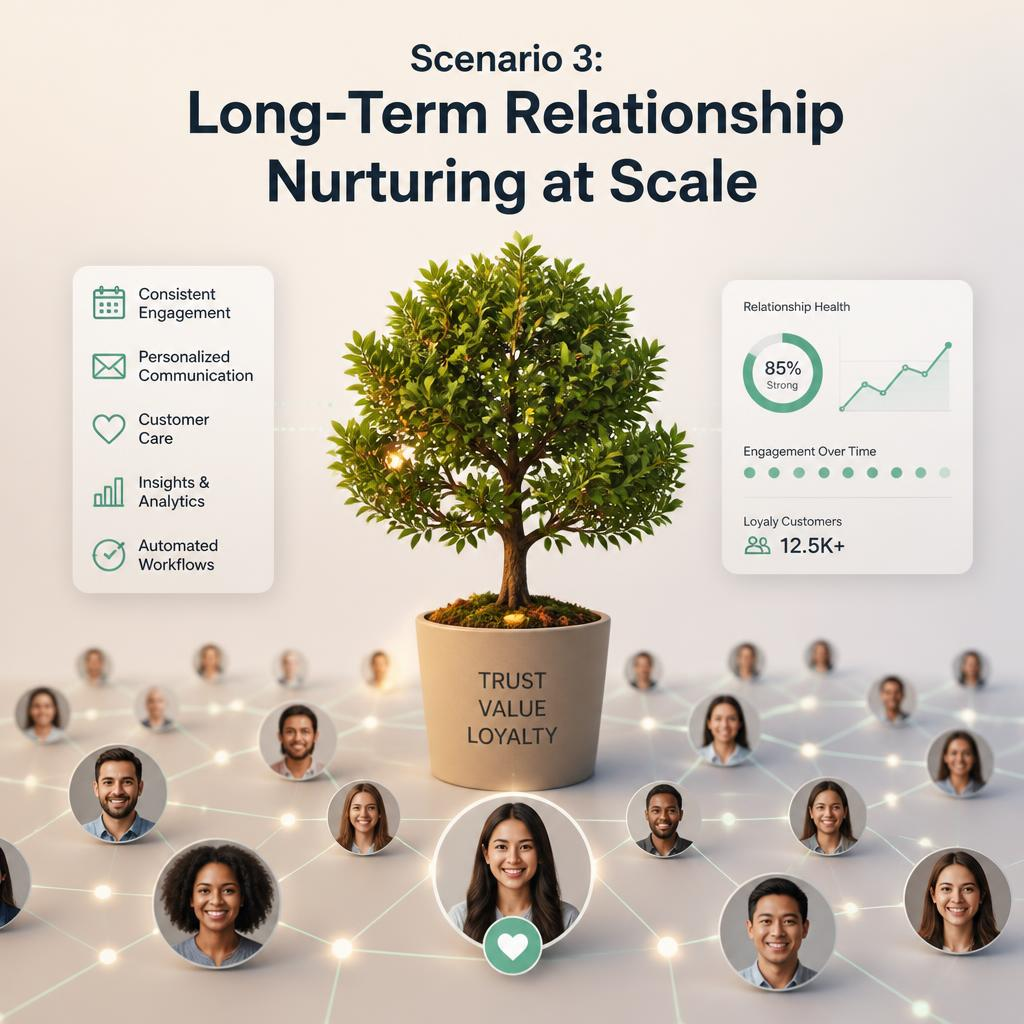
AI-Enhanced Approach: An AI networking assistant monitors your connections’ professional activity: promotions, project launches, publications, or speaking engagements. When relevant milestones occur, it suggests personalized congratulatory messages or engagement opportunities.
The system can also identify natural re-engagement triggers: industry shifts that affect their work, new research relevant to their interests, or mutual connections who could facilitate deeper collaboration.
Application Impact: A software engineer used this approach to maintain relationships with former colleagues. When a contact published a paper on a topic he had discussed with them months earlier, the AI prompted him to send a thoughtful comment. This re-engagement led to a job referral that advanced his career.
Platform Showcase: Seven Tools Evaluated Through Real Use Cases
Rather than listing features in isolation, let’s examine how seven platforms perform across the scenarios above.
For Conference Preparation: Shapr or Lunchclub
These apps use AI to match professionals for 1:1 video meetings based on shared interests and goals. They excel at pre-event connection building by facilitating meaningful conversations before you meet in person.
Best for: Professionals attending conferences or seeking targeted 1:1 connections. Official Site: https://www.shapr.com

For LinkedIn Optimization: Dux-Soup or Expandi
These tools automate personalized LinkedIn outreach while maintaining compliance with platform policies. They help you engage with target connections through thoughtful, sequenced messaging.
Best for: B2B professionals leveraging LinkedIn for business development. Official Site: https://dux-soup.com

For Relationship Intelligence: Clay or Affinity
These platforms aggregate public data, interaction history, and relationship signals to provide contextual insights before every engagement. They excel at helping you remember details and personalize outreach.
Best for: Venture capitalists, sales leaders, and professionals managing large networks. Official Site: https://www.clay.earth

For Event Networking: Brex or Grip
These event-focused platforms use AI to recommend valuable connections at conferences, facilitate introductions, and track post-event engagement.
Best for: Frequent conference attendees and event organizers. Official Site: https://www.grip.events

For Long-Term Nurturing: Folk or Dex
These relationship CRMs use AI to remind you of important details, suggest engagement opportunities, and help you maintain authentic connections over time.
Best for: Professionals prioritizing relationship depth over connection breadth. Official Site: https://folk.app

For Introvert-Friendly Networking: Pumble or Torii
These tools provide structured conversation frameworks, icebreaker suggestions, and anxiety-reducing guidance for professionals who find networking challenging.
Best for: Introverts, early-career professionals, or anyone seeking confidence in social settings. Official Site: https://pumble.com

For Executive-Level Networking: Boardable or Briefing
These platforms focus on high-stakes relationship building, offering strategic introduction facilitation, briefing materials, and discretion-focused features.
Best for: C-suite executives, board members, and senior leaders. Official Site: https://www.boardable.com

The Human Element: What AI Cannot Replace in Networking
Technology amplifies capability. It does not replace authenticity. The most effective networkers combine AI networking assistants with irreplaceably human qualities:
Genuine Curiosity AI can suggest conversation topics. Only you can listen with authentic interest and ask thoughtful follow-up questions.
Emotional Intelligence Algorithms cannot read subtle cues: hesitation, enthusiasm, or unspoken concerns. Your ability to respond with empathy builds trust that technology cannot replicate.
Vulnerability and Trust Sharing challenges, admitting uncertainties, and offering help without expectation—these human behaviors create bonds that transactional networking never achieves.
Strategic Judgment AI can surface opportunities. Only you can decide which align with your values, long-term goals, and professional integrity.
Use technology to remove friction. Bring your humanity to create connection.
Building Your AI-Enhanced Networking Strategy
Deploying AI networking assistants effectively requires intentionality. Follow this framework to maximize impact.
Phase 1: Clarify Your Networking Intentions (Week 1)
- What specific outcomes do you seek? (knowledge, opportunities, collaborations)
- Which relationships would most advance these goals?
- What value can you offer to potential connections?
Phase 2: Select and Configure Tools (Week 2)
- Choose 1-2 platforms that align with your primary use case
- Connect relevant accounts (LinkedIn, email, calendar)
- Input your professional background and networking goals
- Set privacy preferences and engagement boundaries
Phase 3: Practice with Low-Stakes Connections (Weeks 3-4)
- Use AI suggestions to engage with existing contacts first
- Test message templates and refine based on response rates
- Build confidence before approaching high-value targets
Phase 4: Scale with Authenticity (Ongoing)
- Gradually expand to new connections as you refine your approach
- Regularly review relationship health metrics provided by your tools
- Balance automation with personal touches that demonstrate genuine interest
Key Principle: AI handles logistics. You handle relationships. Use technology to create space for authentic connection.
Common Pitfalls and How to Avoid Them
Even powerful tools can backfire when misused. Steer clear of these mistakes.
1. Over-Automation That Feels Robotic Generic,批量 messages damage credibility. Use AI for research and suggestions, but always personalize final outreach with your authentic voice.
2. Ignoring Reciprocity Networking is not extraction. Ensure you offer value—insights, introductions, or support—before requesting favors. AI can help identify opportunities to give.
3. Neglecting Offline Connection Digital tools facilitate introduction. Deep relationships often require face-to-face interaction. Use AI to schedule in-person meetings, not replace them.
4. Violating Platform Policies Some automation tools violate LinkedIn or other platforms’ terms of service. Verify compliance before deploying to avoid account restrictions.
5. Skipping Relationship Maintenance AI can remind you to follow up. Only consistent, genuine engagement builds lasting trust. Schedule regular check-ins that add value, not just noise.
Frequently Asked Questions
Do AI networking assistants work for introverts?
Yes. Many tools provide structured frameworks, conversation starters, and anxiety-reducing guidance that help introverts engage confidently. The key is selecting platforms designed for authentic connection rather than aggressive outreach.
Can these tools help with internal company networking?
Absolutely. Platforms like Clay and Folk excel at mapping internal relationships, identifying key stakeholders, and facilitating cross-departmental collaboration. They are particularly valuable for remote or hybrid teams.
How do I measure networking ROI with AI assistance?
Track metrics that matter: meaningful conversations initiated, introductions facilitated, opportunities generated, and relationships maintained. Most platforms provide analytics dashboards to monitor these outcomes.
What about privacy and data security?
Reputable platforms encrypt data, comply with privacy regulations, and provide transparent data usage policies. Review settings carefully, especially when connecting professional accounts or sharing sensitive information.
Can AI networking assistants help with job searching?
Yes. Tools can identify hiring managers, suggest personalized outreach strategies, and track application follow-ups. However, always combine AI assistance with genuine relationship-building for best results.
Do these tools work across cultures and languages?
Support varies. Leading platforms offer multilingual capabilities and cultural context awareness, but accuracy may differ by region. Verify language support before relying on AI for international networking.
How much time should I invest in AI-assisted networking weekly?
Start with 30-60 minutes weekly for setup and review. As you build proficiency, maintenance may require only 15-20 minutes weekly while yielding significantly better outcomes than manual approaches.
What if I prefer organic, unstructured networking?
AI tools can enhance rather than replace your natural style. Use them for background research, reminder systems, or opportunity identification while maintaining your authentic approach to connection.