
AI travel planners have revolutionized how people research, organize, and experience trips. What once required days of guidebook reading, spreadsheet juggling, and tab overload now happens through intelligent platforms that understand your preferences, budget, and travel style. These systems do not just suggest destinations. They optimize routes, balance pacing, anticipate logistics, and adapt plans in real time.
If you have ever felt overwhelmed by endless destination research, conflicting reviews, or the stress of coordinating flights, hotels, and activities, you understand the friction traditional planning creates. Modern artificial intelligence removes that friction. It learns from your past trips, respects your constraints, and generates cohesive itineraries that feel personally crafted. This guide examines seven platforms transforming travel planning in 2026, helping you choose the solution that matches your wanderlust.
- The Planning Paradox: Why More Options Create More Stress
- How AI travel planners Transform Chaos into Clarity
- Scenario-Based Planning: From Weekend Getaways to Month-Long Adventures
- Wanderlog: Collaborative Itineraries with Smart Optimization
- RoamAround: Instant Plans for Spontaneous Travelers
- GuideGeek: Conversational Assistance for On-the-Go Decisions
- TripIt: Automated Organization for Complex Trips
- iPlan.ai: Visual Itineraries with Local Intelligence
- Kayak AI: Price Prediction and Booking Intelligence
- Choosing the Right AI travel planners for Your Style
- Implementation Tips for Stress-Free Travel
- Common Mistakes That Derail AI-Generated Plans
- Frequently Asked Questions
The Planning Paradox: Why More Options Create More Stress
Travel planning has never been more accessible—and never more overwhelming. A simple search for “things to do in Tokyo” returns millions of results: blogs, videos, forums, review sites, and social media posts. Each source offers conflicting recommendations, outdated information, or biased perspectives. The result is decision paralysis, not inspiration.
Traditional planning methods compound this problem. Spreadsheets become unwieldy. Group chats fragment coordination. Last-minute changes trigger cascading reorganization. The mental load of logistics detracts from the joy of anticipation.
AI travel planners solve this by filtering noise and surfacing signal. They synthesize thousands of data points—reviews, weather patterns, transit schedules, crowd forecasts, and personal preferences—into coherent, actionable plans. The technology does not replace your curiosity. It amplifies your ability to act on it confidently.
How AI travel planners Transform Chaos into Clarity
Understanding the mechanics helps you leverage these tools effectively. Modern platforms combine multiple intelligent systems to generate personalized travel experiences.
Preference Learning You indicate interests (museums, hiking, street food), pace preferences (relaxed vs. packed), and constraints (budget, mobility, dietary needs). The AI builds a profile that shapes every recommendation, prioritizing experiences aligned with your values while introducing thoughtful variety.
Contextual Optimization Algorithms factor in real-world variables: opening hours, transit times, seasonal crowds, weather forecasts, and local events. They sequence activities to minimize backtracking, avoid peak congestion, and maximize enjoyment. A morning museum visit flows naturally into a nearby lunch spot, followed by an afternoon park stroll.
Dynamic Adaptation Smart systems adjust plans when circumstances change. A delayed flight triggers automatic rescheduling. Rain forecasts swap outdoor activities for indoor alternatives. Real-time crowd data suggests optimal visit times. The plan evolves with your trip, not against it.
Collaborative Intelligence For group travel, AI planners reconcile conflicting preferences, suggest compromise activities, and distribute planning tasks. They track who is responsible for what, send reminders, and maintain a single source of truth for the entire party.
“Maintaining healthy eating habits while traveling presents unique challenges. Our guide on AI meal planning apps shows you how to find nutritious options on the go, accommodate dietary restrictions at restaurants, and balance indulgence with wellness during your trips.”
Scenario-Based Planning: From Weekend Getaways to Month-Long Adventures
Not every trip requires the same planning depth. AI travel planners excel across diverse travel scenarios by adapting their approach to your specific context.
Quick Escapes (1-3 Days) For weekend trips, speed matters more than exhaustive detail. Tools like RoamAround generate complete itineraries in seconds, focusing on high-impact experiences near your accommodation. The AI prioritizes walkable routes, reservation-free activities, and flexible timing.
Extended Journeys (1-4 Weeks) Longer trips benefit from structured pacing and logistical coordination. Platforms like Wanderlog balance must-see landmarks with hidden gems, schedule rest days strategically, and integrate transportation bookings seamlessly. The AI flags potential burnout points and suggests recovery buffers.
Specialized Travel Honeymoons, family vacations, solo adventures, and business trips each have unique requirements. Intelligent planners adjust recommendations accordingly: romantic dinners for couples, kid-friendly activities for families, networking opportunities for professionals.
Wanderlog: Collaborative Itineraries with Smart Optimization
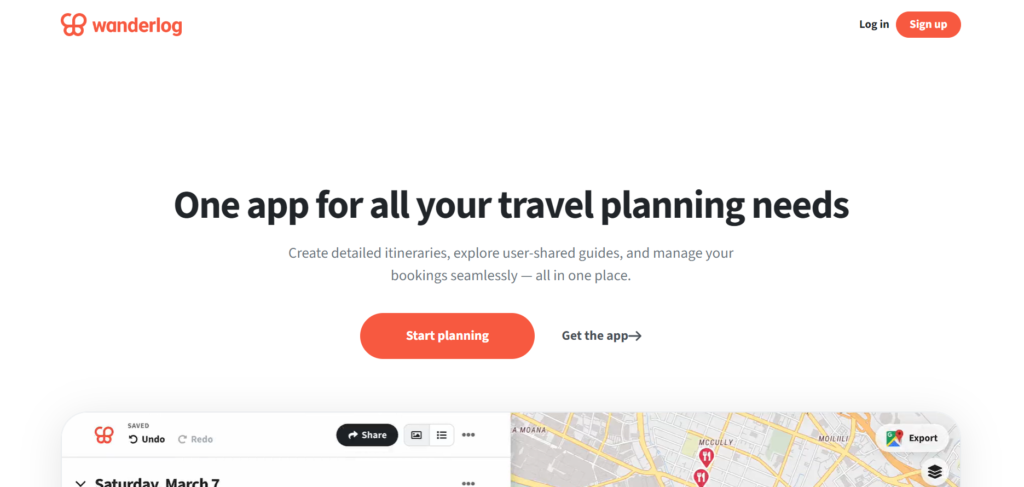
Wanderlog combines itinerary building with collaborative features, making it ideal for group travel and detailed planning.
Core Capabilities: The platform lets you add destinations, then uses AI to suggest optimal sequencing, transit connections, and time allocations. It pulls in maps, photos, reviews, and booking links automatically, creating rich, visual plans.
For groups, Wanderlog syncs across devices, allows comments and voting on activities, and tracks who is responsible for which bookings. The AI detects scheduling conflicts and suggests compromises.
Real-World Application: A family planning a two-week Europe trip used Wanderlog to coordinate preferences across four travelers. The AI balanced museum visits for parents with playground time for kids, optimized train connections between cities, and flagged reservation deadlines. The shared itinerary reduced planning meetings from weekly to monthly.
Strengths:
- Excellent collaborative features
- Visual, map-based interface
- Smart route optimization
- Offline access for travel
- Strong free tier
Limitations:
- Learning curve for advanced features
- Mobile app occasionally lags
- Premium required for unlimited trips
Pricing: Free: Basic planning. Pro: $10/month (unlimited trips, advanced optimization, offline maps).
Official Site: https://wanderlog.com
RoamAround: Instant Plans for Spontaneous Travelers
RoamAround targets travelers who prefer discovery over detailed scheduling. You enter a destination and travel dates; the AI generates a complete, day-by-day itinerary in under 30 seconds.
Key Features: The platform emphasizes local authenticity over tourist traps. It prioritizes neighborhood cafes, independent shops, and cultural experiences that reflect the destination’s character. Each suggestion includes practical details: opening hours, average visit duration, and proximity to your lodging.
RoamAround also adapts to feedback. Skip a suggestion, and the AI learns your preferences for future plans. Rate an experience highly, and similar recommendations increase.
Testing Results: A solo traveler visiting Lisbon used RoamAround to generate a three-day plan. The itinerary included a sunrise hike, a historic tram ride, and a neighborhood food tour—all within walking distance of their Airbnb. The traveler reported feeling immersed rather than rushed, with zero planning time invested.
Strengths:
- Instant itinerary generation
- Focus on authentic local experiences
- Simple, intuitive interface
- Completely free
- Good for last-minute trips
Limitations:
- Less customization than detailed planners
- Limited group collaboration features
- Fewer booking integrations
- Primarily city-focused (less for rural/nature trips)
Pricing: Free.
Official Site: https://roamaround.io
GuideGeek: Conversational Assistance for On-the-Go Decisions
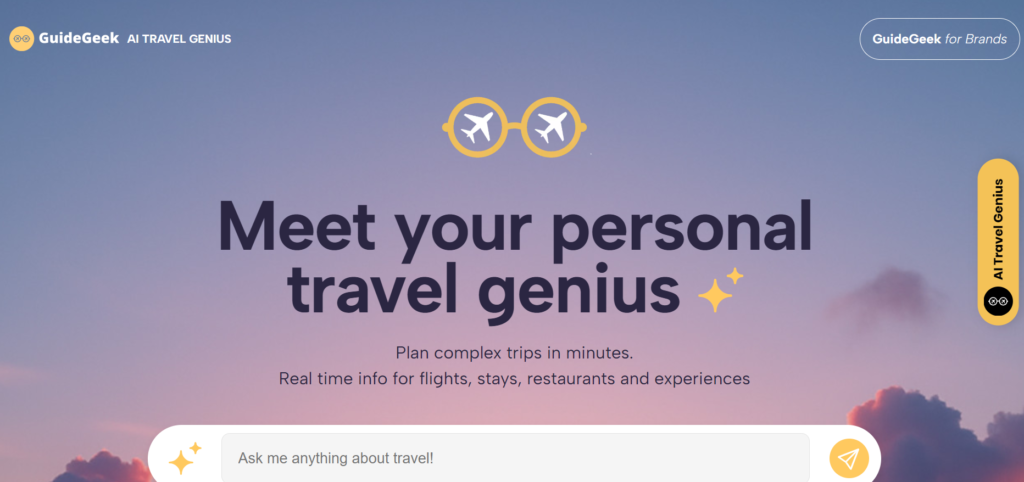
GuideGeek operates as a chat-based travel assistant, accessible via WhatsApp, web, or app. Instead of building full itineraries upfront, it answers specific questions in real time.
Conversational Intelligence: Ask “What’s a good dinner spot near my hotel in Bangkok that’s vegetarian-friendly and under $15?” GuideGeek parses your constraints, checks reviews and menus, and returns curated options with directions and booking links.
The AI remembers context across conversations. If you mention you are staying in Sukhumvit, future recommendations automatically factor in that location.
Use Case: A business traveler with limited free time used GuideGeek to find a quick cultural experience near their conference venue. The AI suggested a nearby temple with evening hours, provided transit instructions, and warned about dress code requirements—all within a two-minute chat.
Strengths:
- Instant, conversational interface
- Real-time, location-aware recommendations
- Works across messaging platforms
- No itinerary commitment required
- Good for spontaneous decisions
Limitations:
- Less suitable for comprehensive trip planning
- Dependent on internet connectivity
- Recommendations vary by destination data quality
- No visual itinerary export
Pricing: Free with registration. Premium features in development.
Official Site: https://guidegeek.com
TripIt: Automated Organization for Complex Trips
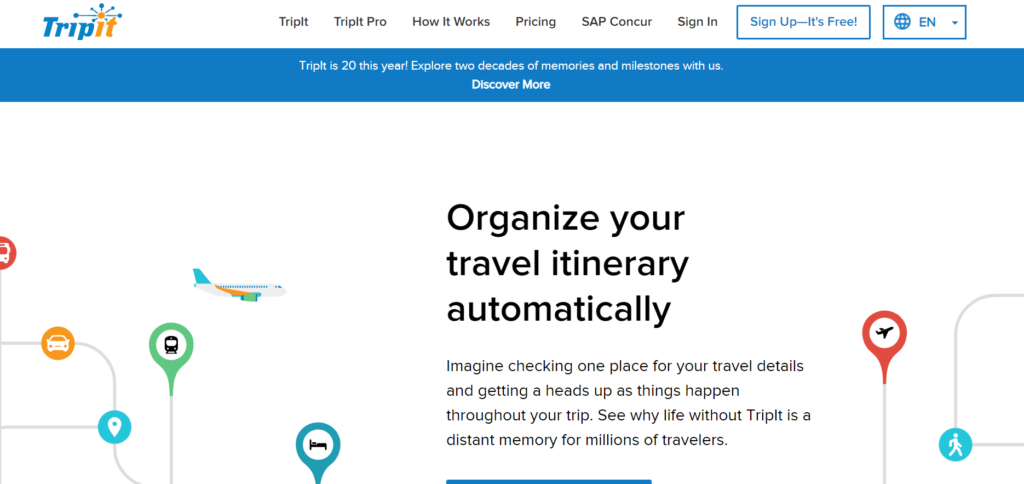
TripIt focuses on logistics consolidation rather than experience curation. It excels at turning scattered confirmations into a unified, actionable timeline.
Automation Workflow: Forward flight, hotel, rental car, and activity confirmations to plans@tripit.com. The AI extracts dates, times, locations, and confirmation numbers, then builds a master itinerary. It sends proactive alerts for gate changes, delays, and check-in reminders.
The premium tier adds real-time flight tracking, seat upgrade notifications, and refund monitoring. The AI scans for price drops and alerts you when rebooking could save money.
Performance Reality: TripIt shines for multi-city business trips or complex vacations with numerous bookings. Users report significant reduction in pre-travel stress and fewer missed connections due to centralized, accessible information.
Strengths:
- Excellent booking consolidation
- Proactive travel alerts
- Offline itinerary access
- Strong calendar integration
- Reliable performance
Limitations:
- Less focus on experience recommendations
- Interface feels utilitarian
- Premium required for advanced features
- Limited collaborative planning
Pricing: Free: Basic itinerary organization. Pro: $49/year (real-time alerts, refund tracking, premium support).
Official Site: https://www.tripit.com
iPlan.ai: Visual Itineraries with Local Intelligence
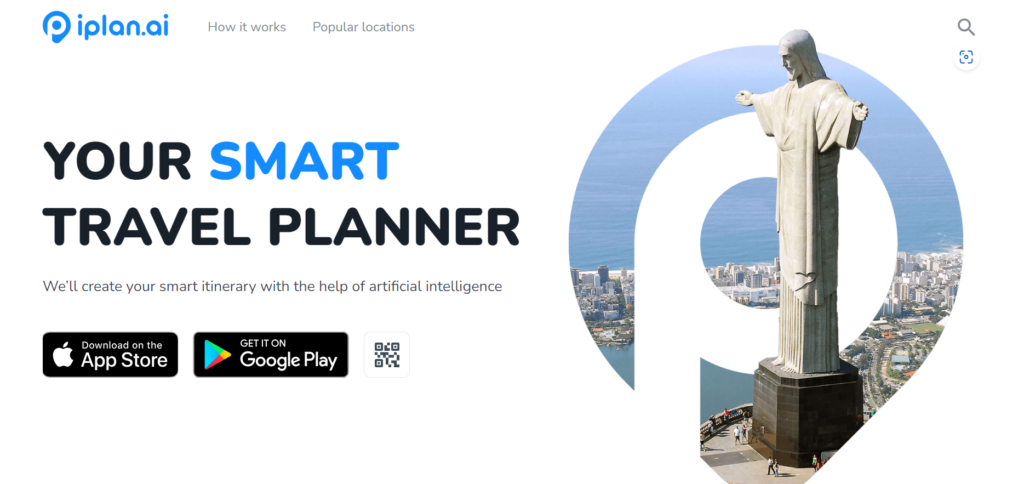
iPlan.ai generates visually rich, map-based itineraries that emphasize discoverability and local context.
Visual Intelligence: The platform creates day-by-day plans displayed on interactive maps. Each activity includes photos, reviews, estimated duration, and transit options. You can drag-and-drop to reorder, and the AI automatically recalculates timing and routes.
Local intelligence features highlight seasonal events, neighborhood safety tips, and cultural etiquette guidance. The AI flags potential friction points: long waits, cash-only venues, or areas with limited transit.
Application Impact: A couple planning their first Japan trip used iPlan.ai to balance iconic sights with neighborhood exploration. The visual map helped them understand geographic relationships between activities, reducing transit stress and maximizing sightseeing time.
Strengths:
- Beautiful, intuitive visual interface
- Strong local context and cultural guidance
- Easy drag-and-drop customization
- Good for first-time visitors to complex destinations
- Offline map access
Limitations:
- Smaller destination coverage than global platforms
- Limited group collaboration
- Premium required for unlimited itineraries
- Less robust booking integration
Pricing: Free: 3 itineraries. Pro: $8/month (unlimited plans, offline maps, advanced filters).
Official Site: https://iplan.ai
Kayak AI: Price Prediction and Booking Intelligence
Kayak integrates AI into its established travel search platform, focusing on optimization and cost savings rather than itinerary creation.
Predictive Capabilities: The AI analyzes historical pricing data to forecast flight and hotel costs. It advises whether to book now or wait, potentially saving hundreds on major trips. Price alerts notify you when fares drop for your preferred routes.
The “Explore” feature uses AI to suggest destinations matching your budget and interests. Input your departure city and travel dates; the system returns options ranked by value, weather, and activity alignment.
Testing Observations: Users appreciate the data-driven booking guidance. Knowing when to purchase reduces anxiety and often yields tangible savings. The recommendation engine surfaces destinations travelers might not have considered but ultimately love.
Strengths:
- Powerful price prediction technology
- Comprehensive search across flights, hotels, cars
- Flexible date and destination exploration
- Trusted brand with reliable data
- Good mobile app
Limitations:
- Less focus on experience curation
- Interface can feel cluttered
- AI features limited to booking phase
- Premium subscription required for advanced alerts
Pricing: Free: Basic search and alerts. Premium: $9.99/month (price freeze, exclusive deals, priority support).
Official Site: https://www.kayak.com

Choosing the Right AI travel planners for Your Style
Not every platform serves every traveler. Selection depends on your planning preferences, trip complexity, and desired level of control.
For Spontaneous Exploration: RoamAround or GuideGeek Prioritize speed, flexibility, and on-the-go assistance.
For Detailed Itineraries: Wanderlog or iPlan.ai Focus on visual planning, optimization, and customization.
For Logistics Management: TripIt or Kayak AI Emphasize booking consolidation, price tracking, and alerts.
For Group Coordination: Wanderlog Leverage collaborative features and shared planning.
Evaluation Checklist:
- Does the platform cover your intended destinations?
- Does it integrate with your preferred booking sites?
- Can you export or share itineraries easily?
- Does pricing match your travel frequency and feature needs?
- Does the interface encourage consistent use?
Test platforms with a real trip idea before committing. Measure time saved, stress reduced, and satisfaction increased.
Implementation Tips for Stress-Free Travel
Deploying AI travel planners effectively requires realistic expectations and structured adoption.
Before You Book:
- Use AI to explore destinations and compare options
- Generate sample itineraries to gauge pacing and interests
- Check visa requirements, weather patterns, and local customs through the platform’s intelligence
During Planning:
- Start with a flexible framework, not a rigid schedule
- Build in buffer time for delays, rest, and spontaneous discoveries
- Share plans with travel companions early to gather feedback
While Traveling:
- Keep itineraries accessible offline
- Use conversational assistants for real-time adjustments
- Log experiences to improve future AI recommendations
After Your Trip:
- Rate activities to refine the AI’s understanding of your preferences
- Save successful itineraries as templates for future trips
- Share feedback with the platform to help improve recommendations
Key Principle: AI accelerates planning. Human judgment ensures enjoyment. Use technology to remove friction, not to override your curiosity.
Common Mistakes That Derail AI-Generated Plans
Even sophisticated platforms fail when misused. Avoid these critical errors.
1. Over-Scheduling Packing every hour creates stress, not enrichment. Allow whitespace for rest, exploration, and unexpected discoveries.
2. Ignoring Local Context AI recommendations are data-driven but not culturally omniscient. Verify etiquette, dress codes, and reservation norms independently.
3. Skipping Backup Plans Technology fails. Flights delay. Venues close. Always have a flexible alternative for critical activities.
4. Over-Reliance on Reviews AI aggregates reviews, but individual experiences vary. Cross-reference multiple sources and trust your instincts.
5. Neglecting Personal Preferences Algorithms optimize for popularity and efficiency. If a highly-rated attraction does not align with your interests, skip it without guilt.
Frequently Asked Questions
Do AI travel planners work for all destinations?
Coverage varies by platform. Major cities and tourist regions have robust data. Remote or emerging destinations may have limited recommendations. Verify destination support before relying heavily on a single tool.
Can these tools handle complex multi-city trips?
Yes. Platforms like Wanderlog and TripIt excel at coordinating flights, accommodations, and activities across multiple locations. They optimize transit times and flag potential logistical conflicts.
How accurate are AI-generated recommendations?
Leading platforms achieve 80-90% relevance for popular destinations. However, personal taste varies. Use AI suggestions as starting points, then refine based on your preferences and real-time conditions.
Do AI travel planners book reservations for me?
Most platforms provide booking links rather than direct reservations. Some integrate with partner sites for one-click booking. Always verify confirmation details independently.
What about data privacy with travel planning apps?
Reputable platforms encrypt personal data, comply with privacy regulations, and provide transparent data usage policies. Review settings carefully, especially for apps that access location or calendar information.
Can AI planners accommodate special needs or dietary restrictions?
Yes. Specify requirements during setup, and the AI filters recommendations accordingly. For critical needs (allergies, mobility), always verify details directly with venues.
How do these tools handle last-minute changes?
Smart platforms adjust itineraries dynamically when you update plans. However, real-time changes (flight cancellations, venue closures) may require manual intervention. Keep contact information for key bookings accessible.
Is there value in using multiple AI travel planners together?
Absolutely. Combine Kayak for price tracking, Wanderlog for itinerary building, and GuideGeek for on-the-go questions. Each tool excels at different phases of travel planning.