AI contract review tools have moved from experimental legal tech to essential business infrastructure. Every agreement you sign carries hidden exposure: unlimited liability clauses, ambiguous termination rights, auto-renewal traps, or non-compete language that restricts future growth. Reading these documents line by line demands legal training, sustained focus, and hours you rarely have. Intelligent systems now scan contracts in seconds, flag problematic language, compare clauses against market standards, and suggest safer alternatives.
This guide does not follow a standard feature list. Instead, it walks through how these systems actually process agreements, what risk categories they detect, and how to match specific platforms to your workflow. You will see where automation excels, where human judgment remains irreplaceable, and how to implement a review process that protects your business without slowing it down.
- How AI contract review tools actually parse legal language
- The three risk categories these systems detect
- Matching platforms to your contract volume and complexity
- Building a review workflow that prevents bottlenecks
- The boundary between automation and legal counsel
- Implementation checklist for immediate deployment
- Frequently asked questions
How AI contract review tools actually parse legal language
Legal contracts are not written for clarity. They are written for precision, risk allocation, and historical precedent. This creates dense, repetitive text that overwhelms non-specialists. Modern platforms solve this by treating contracts as structured data rather than static documents.
Natural language processing models break agreements into semantic units. They identify clause types, extract key terms, and map relationships between provisions. The system does not just search for keywords. It understands context. A liability cap in a software license carries different weight than one in a consulting agreement. The AI recognizes these distinctions.
Machine learning models train on thousands of executed contracts across industries. They learn which phrasing patterns correlate with disputes, which allocations favor one party, and which structures align with current market standards. When you upload a new agreement, the system compares it against this baseline. It highlights deviations, scores risk levels, and suggests negotiated fallback positions.
The output is not a replacement for legal advice. It is a prioritized map of what matters, why it matters, and how to address it before signatures are exchanged.
Can AI travel planners accommodate dietary restrictions?
Yes, most platforms allow you to specify dietary needs, and they filter restaurant recommendations accordingly. For comprehensive meal planning that extends beyond your trip, explore our guide on AI meal planning apps to maintain consistent nutrition habits at home and while traveling.”
The three risk categories these systems detect
Not all contract issues carry equal weight. AI contract review tools organize findings into three distinct risk layers, helping you focus attention where it matters most.
Financial Exposure These clauses directly impact revenue, costs, or liability. Examples include uncapped indemnification, automatic price escalations, penalty fees for minor breaches, or payment terms that strain cash flow. The AI flags terms that deviate from industry norms and quantifies potential impact.
Operational Constraints These provisions limit how you can work, scale, or pivot. Common examples include restrictive non-solicitation terms, exclusive dealing requirements, mandatory arbitration in distant jurisdictions, or intellectual property assignments that claim ownership of background technology. The system identifies language that could hinder future business decisions.
Compliance and Governance These clauses touch on regulatory requirements, data handling, reporting obligations, or ethical standards. The AI checks for GDPR, CCPA, HIPAA, or industry-specific language. It flags missing audit rights, inadequate insurance requirements, or vague confidentiality definitions that could trigger enforcement actions.
Understanding these categories helps you triage. Financial risks often require immediate negotiation. Operational constraints may need strategic workarounds. Compliance gaps demand legal verification before execution.
Matching platforms to your contract volume and complexity
Rather than evaluating tools in isolation, it is more useful to map them to real business scenarios. Different organizations face different contract profiles. The right platform aligns with your volume, risk tolerance, and team structure.
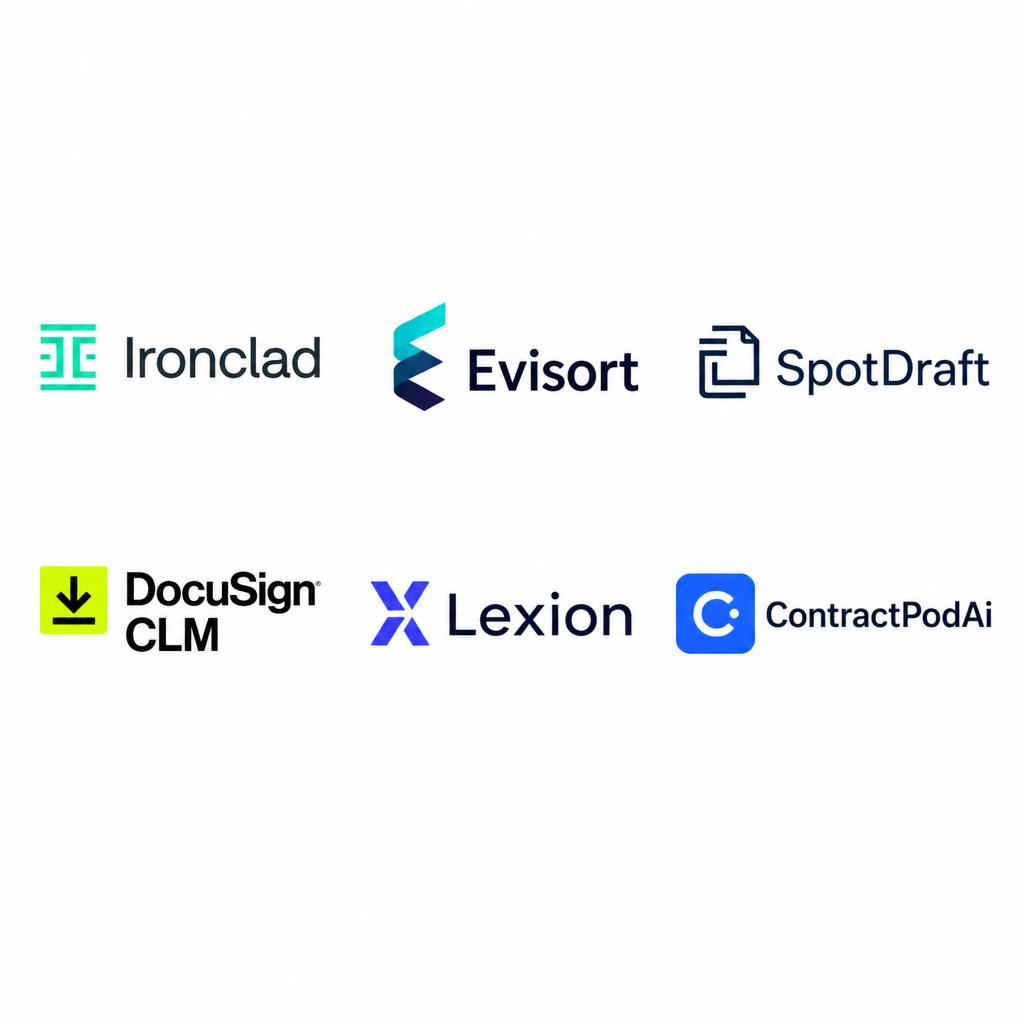
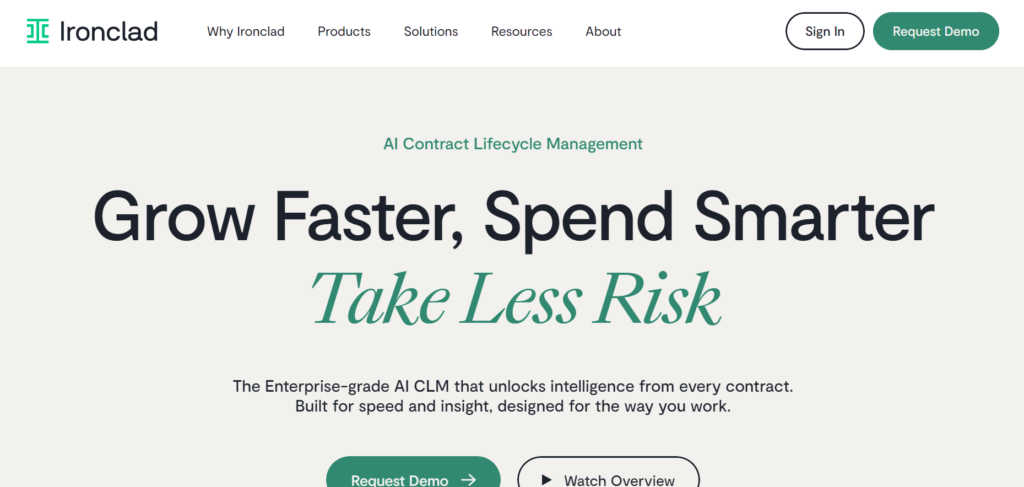
For High-Volume Commercial Agreements: Ironclad or Evisort These platforms excel when you process dozens of NDAs, vendor contracts, or sales agreements monthly. They integrate with procurement and sales workflows, automate clause extraction, and maintain centralized repositories. The AI learns your negotiation playbooks and suggests approved fallback language automatically.
Official Site: https://www.ironcladapp.com
Official Site: https://www.evisort.com
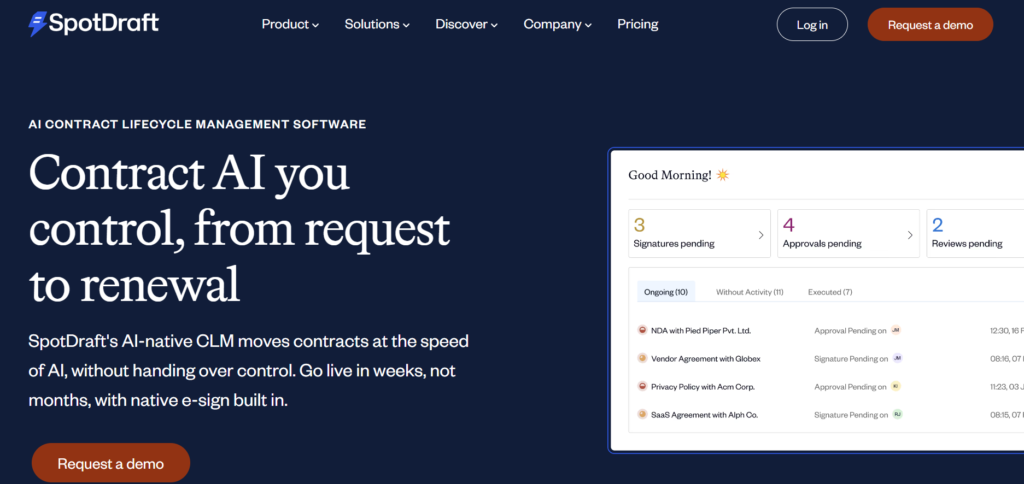
For Legal Teams Managing Complex Transactions: SpotDraft These tools focus on deep clause analysis, benchmarking against market standards, and generating redline suggestions. They support M&A documents, licensing agreements, and multi-party contracts. The AI provides detailed rationale for each flagged provision, helping attorneys prepare negotiation strategies efficiently.
Official Site: https://www.spotdraft.com
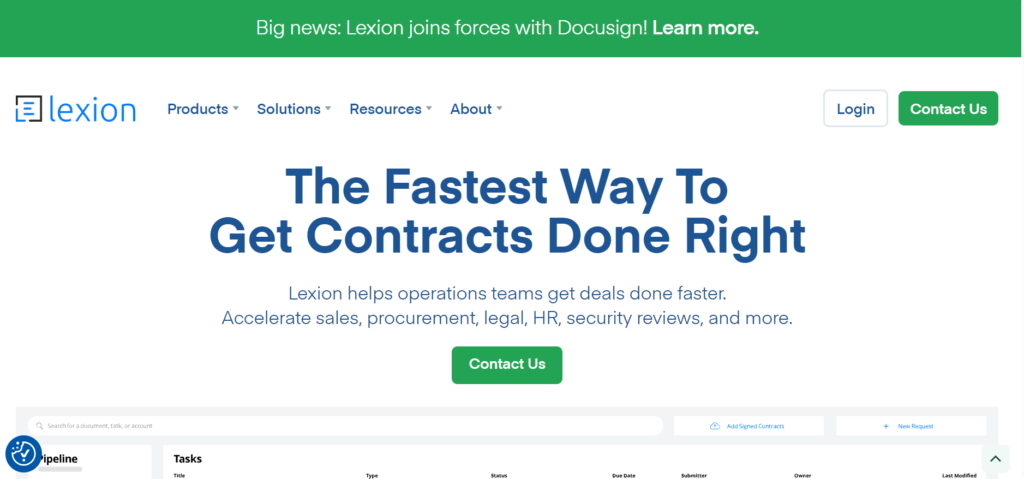
For Small Businesses and Founders: DocuSign CLM or Lexion These platforms balance accessibility with intelligent analysis. They guide users through contract uploads, highlight risky sections in plain language, and track expiration dates or renewal windows. The AI does not assume legal expertise. It translates contract language into actionable business decisions.
Official Site: https://www.docusign.com/products/contract-lifecycle-management
Official Site: https://www.lexion.ai
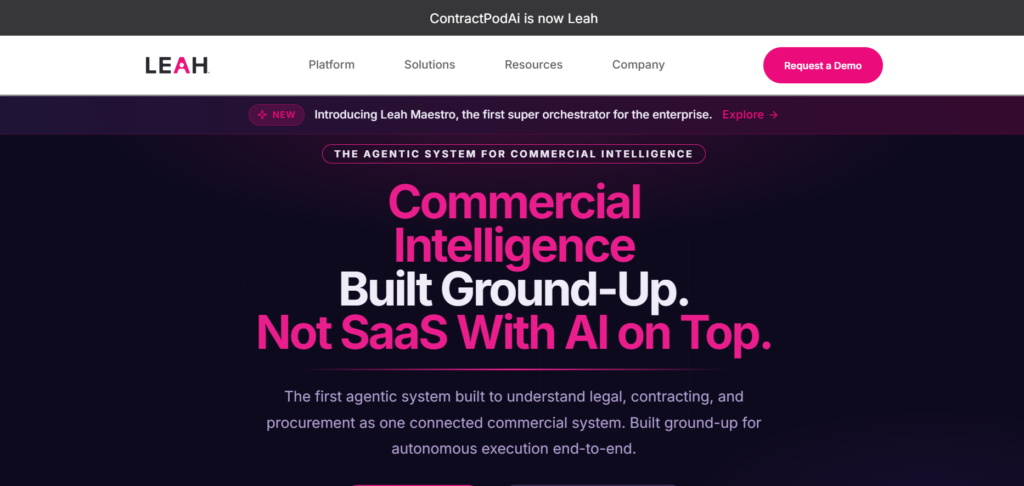
For Enterprise Governance and Audit: ContractPodAi Large organizations need version control, approval routing, and compliance reporting. This platform combines AI clause detection with workflow automation, ensuring every agreement passes through required checkpoints before execution. The system maintains audit trails that satisfy regulatory requirements.
Official Site: https://www.contractpodai.com
When selecting a platform, consider your monthly contract volume, the complexity of agreements you sign, and whether you need integration with existing CRM or procurement systems. Test each tool with a real contract before committing. Measure accuracy, speed, and how well the output aligns with your risk tolerance.
Building a review workflow that prevents bottlenecks
Technology alone does not protect you. Process does. Deploying AI contract review tools effectively requires a structured workflow that balances speed with diligence.
Step 1: Centralize Document Intake Route all incoming agreements through a single upload point. Whether contracts arrive via email, procurement portals, or sales reps, they should enter the same review pipeline. Decentralized submissions create blind spots.
Step 2: Run Initial AI Scan Upload the document to your chosen platform. Let the system extract clauses, score risk levels, and generate a summary report. This takes seconds, not hours. Review the flagged items before diving into line-by-line reading.
Step 3: Triage by Risk Category Separate findings into immediate negotiation points, acceptable deviations, and items requiring legal verification. Not every flagged clause needs changing. Some represent standard market practice. Focus energy on provisions that materially impact your business.
Step 4: Prepare Negotiation Fallbacks Use AI-suggested alternative language as starting points. Customize phrasing to match your specific context. Document your rationale for each requested change. Clear reasoning improves counterparty responsiveness.
Step 5: Track Execution and Renewals Once signed, store the agreement in your platform. Set automated alerts for renewal windows, compliance deadlines, or performance milestones. Contracts do not end at signature. They require ongoing management.
This workflow reduces review time by 60-80% while increasing risk visibility. The AI handles pattern recognition. Your team handles strategy and negotiation.
The boundary between automation and legal counsel
AI contract review tools excel at pattern detection, clause comparison, and risk flagging. They do not replace licensed attorneys. Understanding this boundary prevents costly missteps.
AI systems cannot interpret jurisdiction-specific case law. They cannot assess whether a vague termination clause will hold up in your local courts. They cannot negotiate relationships or read counterparty intent. These require human expertise.
Use automation for first-pass analysis, standard agreement screening, and compliance tracking. Escalate complex transactions, novel legal structures, and high-stakes negotiations to qualified counsel. The most effective organizations treat AI as a force multiplier, not a substitute.
If a platform claims to provide definitive legal advice, proceed with caution. Reputable tools position themselves as analytical assistants. They surface issues. They do not render verdicts.
Implementation checklist for immediate deployment
Adopting AI contract review tools does not require a six-month rollout. Follow this streamlined checklist to start protecting your agreements within a week.
- Identify your top 5 most frequently signed contract types
- Select one platform that matches your volume and complexity
- Upload 3 historical agreements to test accuracy and output clarity
- Configure risk scoring thresholds based on your tolerance
- Train relevant team members on upload, review, and triage steps
- Establish a central repository for executed contracts
- Set automated alerts for renewals, expirations, and compliance deadlines
- Schedule quarterly reviews to adjust playbooks and fallback language
Pair this process with related automation. If you draft agreements internally, explore AI legal document generators to standardize templates before review. Consistent drafting reduces AI flagging and accelerates execution.
Frequently asked questions
Do AI contract review tools work for non-English agreements?
Coverage varies by platform. Leading systems support major European languages and are expanding into Asian and Latin American markets. Accuracy depends on training data quality. Always verify language support before processing critical international contracts.
Can these platforms integrate with existing contract storage?
Yes. Most tools connect with SharePoint, Google Drive, Dropbox, and enterprise document management systems. They can also sync with CRM platforms like Salesforce or procurement tools like Coupa. Verify API compatibility during trial phases.
How accurate is the risk scoring?
Top-tier platforms achieve 85-95% accuracy on standard commercial clauses. Complex or highly customized agreements may require manual verification. Use AI scores as prioritization guides, not absolute determinations.
What happens to my contract data after upload?
Reputable providers encrypt files in transit and at rest, process data in secure environments, and delete temporary caches after analysis. Review privacy policies and data processing agreements carefully, especially for confidential or regulated agreements.
Do these tools help with contract negotiation?
Many platforms generate fallback language, benchmark terms against market standards, and track version history. They prepare you for negotiation. They do not communicate with counterparties or make binding decisions.
Can small teams afford AI contract review?
Yes. Entry-level plans start around $50-100 monthly and cover basic clause detection and risk flagging. Enterprise features cost more but deliver ROI through reduced legal spend and faster execution cycles.
What if the AI misses a critical clause?
No system achieves 100% coverage. Maintain a human review step for high-value agreements. Use AI to surface the majority of issues, then apply professional judgment to catch edge cases or novel structures.
How often should I update my AI playbooks?
Review and adjust fallback language quarterly. Market standards shift, regulations change, and your business priorities evolve. Regular updates keep the AI aligned with your current risk tolerance and negotiation strategy.