
AI meal planning apps have transformed how people approach healthy eating. What once required hours of recipe research, manual calorie counting, and tedious grocery list creation now happens through intelligent platforms that understand your preferences, goals, and lifestyle. These systems do not just suggest meals. They learn from your feedback, adapt to your schedule, and optimize nutrition without sacrificing enjoyment.
If you have ever abandoned a diet because planning felt overwhelming, or struggled to maintain healthy habits amid a busy life, you understand the friction traditional approaches create. Modern artificial intelligence removes that friction. It balances macros automatically, accommodates dietary restrictions seamlessly, and generates shopping lists that reduce food waste. This guide examines seven platforms that lead the personalized nutrition space in 2026, helping you choose the solution that fits your unique needs.
- Why Traditional Meal Planning Fails Most People
- How AI meal planning apps Create Personalized Nutrition
- Eat This Much: Automated Calorie and Macro Optimization
- Mealime: Simple Planning for Busy Households
- FitMenCook: Fitness-Focused Nutrition with AI Assistance
- Nutrino: Health Condition Management Through Food
- Noom – Psychology-based coaching
- Choosing the Right AI meal planning apps for Your Lifestyle
- Implementation Strategies That Actually Stick
- Common Mistakes That Sabotage Nutrition Goals
- Frequently Asked Questions
Why Traditional Meal Planning Fails Most People
Meal planning requires balancing multiple competing priorities: nutrition goals, taste preferences, budget constraints, time availability, and household dynamics. Traditional methods—cookbooks, static meal prep guides, generic calorie calculators—cannot adapt to this complexity. They assume one-size-fits-all solutions that ignore individual variation.
The result is predictable: initial enthusiasm followed by decision fatigue, then abandonment. Research shows that 80% of people who start structured meal planning quit within three weeks. The barrier is not motivation. It is sustainability.
AI meal planning apps solve this by personalizing every recommendation. They consider your food preferences, cooking skill level, available kitchen equipment, and even local grocery pricing. They adjust portions based on your activity level and progress toward goals. They learn which meals you actually enjoy and repeat those patterns. The technology does not replace your choices. It amplifies your ability to execute them consistently.
“Building healthy eating habits requires the same consistency and personalized feedback that accelerates other skill-building journeys. If you are also working on language acquisition, our guide on AI language learning tools shows how intelligent platforms adapt to your pace, correct mistakes in real-time, and turn daily practice into measurable progress.”
How AI meal planning apps Create Personalized Nutrition
Understanding the mechanics helps you leverage these tools effectively. Modern platforms combine multiple data sources and algorithms to generate tailored recommendations.
Preference Learning You rate meals, skip suggestions, or modify recipes. The AI tracks these interactions to build a profile of your tastes. Over time, it prioritizes cuisines, ingredients, and preparation styles you prefer while gradually introducing variety to prevent boredom.
Nutritional Optimization Algorithms calculate macro and micronutrient targets based on your goals: weight loss, muscle gain, managing diabetes, or general wellness. They then construct meal combinations that hit those targets while respecting calorie budgets and dietary restrictions.
Contextual Adaptation Smart systems factor in your schedule. If you have a late meeting, they suggest quick dinners. If you have weekend time, they propose batch-cooking opportunities. They adjust for travel, holidays, and unexpected changes without requiring manual reconfiguration.
Waste Reduction Logic By analyzing your pantry inventory and typical consumption patterns, AI planning tools minimize unused ingredients. They suggest recipes that use overlapping components and generate precise shopping lists that match your actual needs.
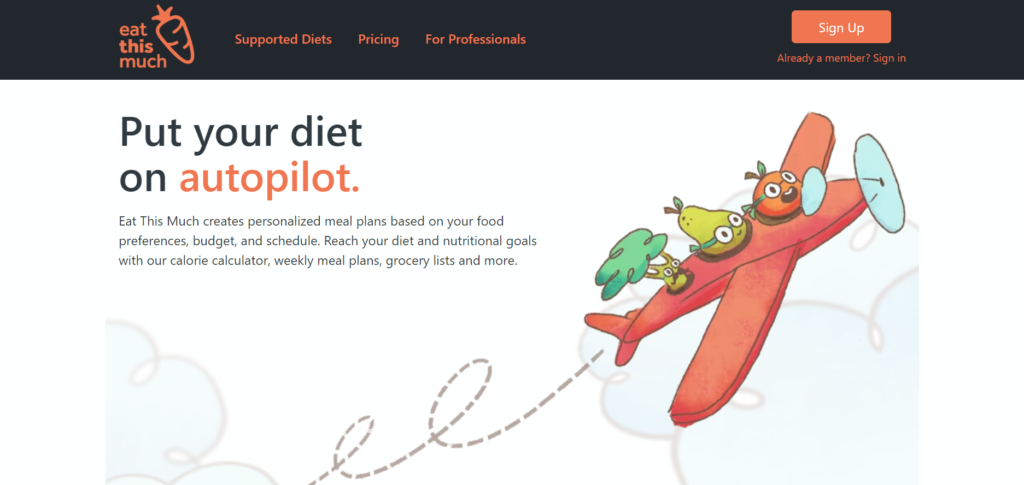
Eat This Much: Automated Calorie and Macro Optimization
Eat This Much operates as a fully automated meal planner focused on precise nutritional targets. You input your goals, dietary preferences, and budget. The system generates a complete weekly plan with recipes, macros, and shopping lists.
Core Features: The platform excels at macro balancing. Whether you follow keto, intermittent fasting, or flexible dieting, Eat This Much constructs meals that hit your exact targets. It adjusts portions dynamically: if you log a higher-calorie lunch, dinner suggestions automatically compensate.
The grocery integration connects with major retailers, allowing one-click list export or direct delivery scheduling. The AI learns which stores you prefer and optimizes lists accordingly.
Real-World Application: A fitness enthusiast preparing for a competition used Eat This Much to maintain precise macros while varying meals to prevent taste fatigue. The platform generated 21 different breakfast options that all fit within identical calorie and protein targets, making adherence significantly easier.
Strengths:
- Precise macro and calorie control
- Fully automated plan generation
- Strong grocery integration
- Flexible dietary protocol support
- Good value for serious trackers
Limitations:
- Interface feels utilitarian rather than inspiring
- Recipe variety limited compared to lifestyle-focused apps
- Less emphasis on culinary creativity
- Premium features required for full automation
Pricing: Free: Basic planning. Premium: $8/month (unlimited plans, grocery integration, advanced macros).
Official Site: https://www.eatthismuch.com
Mealime: Simple Planning for Busy Households
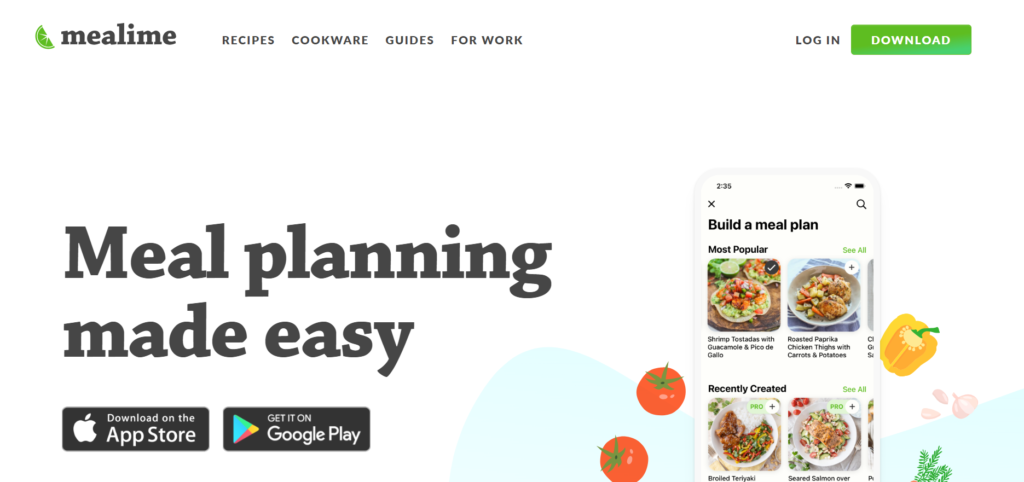
Mealime targets families and individuals who want healthy eating without complexity. The platform emphasizes speed, simplicity, and practical execution over precise nutritional tracking.
Key Capabilities: You select dietary preferences (vegetarian, paleo, gluten-free, etc.) and time constraints. Mealime generates a weekly menu with 30-minute recipes, then creates a consolidated shopping list organized by grocery store section. The AI learns which recipes your household actually cooks and prioritizes similar options.
The app includes step-by-step cooking instructions with timer integration, reducing the cognitive load of meal preparation. It also suggests leftover transformations, turning dinner ingredients into next-day lunches automatically.
Testing Results: A working parent used Mealime to reduce weekly meal planning time from 90 minutes to 15 minutes. The consolidated shopping list cut grocery store time by 40%, and the recipe variety prevented the “what’s for dinner?” stress that previously led to takeout orders.
Strengths:
- Extremely user-friendly interface
- Fast recipe generation (under 60 seconds)
- Practical, family-tested recipes
- Excellent grocery list organization
- Strong free tier
Limitations:
- Less precise macro tracking
- Limited customization for advanced nutrition goals
- Recipe database smaller than specialist platforms
- Premium required for unlimited meal plans
Pricing: Free: 3 meals/week. Premium: $6/month (unlimited plans, advanced filters, nutrition insights).
Official Site: https://www.mealime.com
FitMenCook: Fitness-Focused Nutrition with AI Assistance
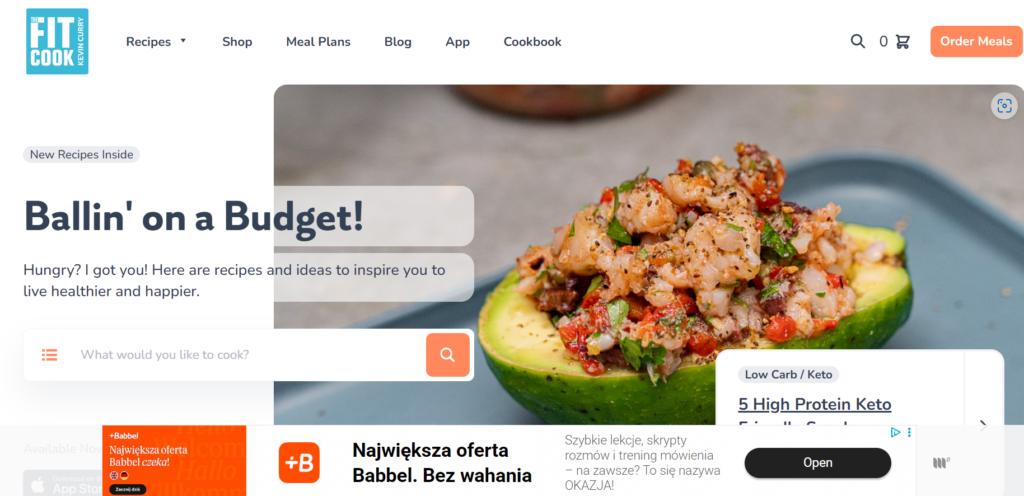
FitMenCook bridges meal planning and fitness training, appealing to athletes and gym-goers who need nutrition aligned with performance goals.
Fitness Integration: The platform connects with workout apps to adjust meal recommendations based on training intensity. Rest days trigger lower-calorie suggestions; heavy lifting days increase protein and carb targets automatically. Recipes emphasize whole foods, lean proteins, and performance-supporting nutrients.
The AI also generates prep-ahead strategies: batch-cooking proteins, pre-portioning snacks, and scheduling meals around training windows to optimize recovery.
Performance Reality: Users report improved energy consistency and faster recovery when following FitMenCook plans. The alignment between nutrition timing and workout scheduling creates measurable performance benefits that generic meal planners miss.
Strengths:
- Strong fitness and performance focus
- Workout-nutrition synchronization
- Practical prep-ahead guidance
- Engaging recipe content with video tutorials
- Good community support
Limitations:
- Less suitable for non-fitness nutrition goals
- Macro tracking less precise than specialist tools
- Primarily English-language content
- Premium required for full planning features
Pricing: Free: Basic recipes. Premium: $10/month (full meal plans, macro tracking, workout integration).
Official Site: https://fitmencook.com
Nutrino: Health Condition Management Through Food
Nutrino positions itself as a therapeutic nutrition platform, helping users manage chronic conditions through personalized food recommendations.
Medical Focus: The AI analyzes health data (medications, lab results, symptoms) alongside food preferences to generate condition-appropriate meal plans. For diabetes management, it prioritizes low-glycemic options and timing strategies. For heart health, it emphasizes fiber, healthy fats, and sodium control.
The platform provides educational content explaining why certain foods support specific health outcomes, empowering users to make informed choices beyond the app.
Application Impact: A pre-diabetic user used Nutrino to reduce HbA1c levels through consistent, enjoyable eating patterns. The AI suggested satisfying meals that stabilized blood sugar without feeling restrictive, improving long-term adherence compared to traditional diet approaches.
Strengths:
- Strong medical condition support
- Educational content integration
- Personalized health insights
- Professional healthcare provider collaboration options
- Evidence-based recommendations
Limitations:
- Interface less polished than consumer-focused apps
- Requires health data input (privacy considerations)
- Less emphasis on culinary creativity
- Subscription pricing higher than general wellness apps
Pricing: Free trial available. Premium: $15/month or $99/year.
Official Site: https://www.nutrino.com
Noom: Psychology-Based Nutrition with AI Coaching
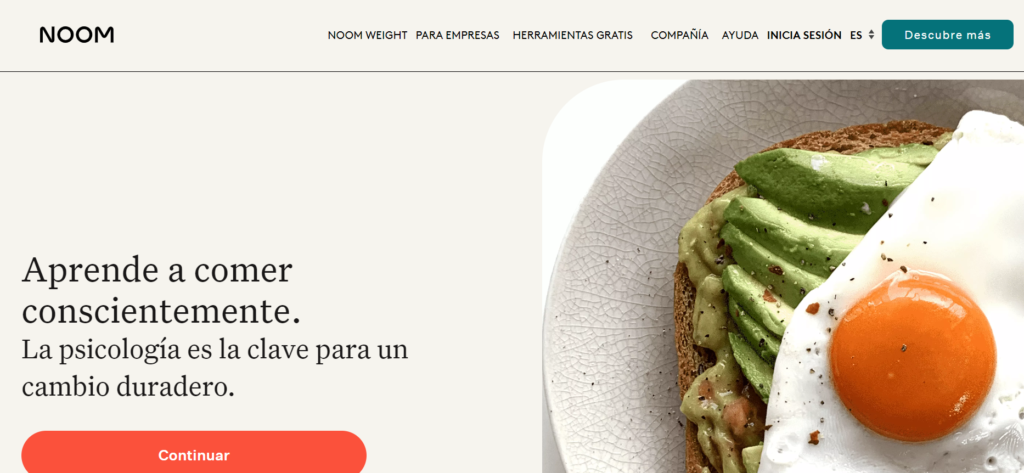
Noom combines behavioral psychology with AI-powered nutrition guidance, focusing on sustainable habit change rather than restrictive dieting.
Behavioral Intelligence: The platform uses cognitive behavioral therapy principles alongside AI to identify eating triggers, emotional patterns, and mindset barriers. You log meals, moods, and contexts. The AI analyzes correlations between stress, sleep, social situations, and food choices, then delivers personalized coaching messages that address root causes rather than symptoms.
Unlike calorie-counting apps, Noom emphasizes understanding your relationship with food. The AI curates educational content based on your struggles: if you consistently overeat at night, it serves lessons on evening routines and hunger cues.
Real-World Application: A user struggling with yo-yo dieting used Noom to identify stress-eating patterns triggered by work deadlines. The AI suggested alternative coping strategies and adjusted meal timing to prevent evening hunger spikes. Over six months, the user maintained weight loss without the deprivation cycles that previously led to binge episodes.
Strengths:
- Strong behavioral psychology foundation
- AI-powered personalized coaching
- Educational content integration
- Focus on sustainable habit change
- Human coach support available
- Evidence-based approach
Limitations:
- Higher price point than basic planners
- Less emphasis on precise macro tracking
- Requires daily engagement for full benefit
- Coaching quality varies by assignment
- Not ideal for performance-focused athletes
Pricing: 14-day free trial. Subscription: $70/month or $209/year (includes coaching and full curriculum).
Official Site: https://www.noom.com
Choosing the Right AI meal planning apps for Your Lifestyle
Not every platform serves every user. Selection depends on your primary goal, dietary complexity, and preferred interaction style.
For Precise Macro Tracking: Eat This Much or Nutrino Prioritize nutritional accuracy and goal-specific optimization.
For Busy Families: Mealime or PlateJoy Focus on simplicity, speed, and practical execution.
For Fitness Performance: FitMenCook Align nutrition with training schedules and recovery needs.
For Visual Learners: Foodvisor Leverage photo logging and pattern-based recommendations.
Evaluation Checklist:
- Does the app accommodate your dietary restrictions?
- Does it integrate with your existing health or fitness apps?
- Can you export shopping lists to your preferred retailer?
- Does pricing match your commitment level and feature needs?
- Does the interface encourage consistent use?
Test platforms during free trials using your actual preferences and constraints. Measure time saved, adherence improved, and satisfaction increased before committing.
Implementation Strategies That Actually Stick
Deploying AI meal planning apps effectively requires more than downloading software. Success depends on structured adoption and realistic expectations.
Week 1: Setup and Calibration
- Complete onboarding questionnaires thoroughly
- Rate initial meal suggestions honestly to train the AI
- Start with 3-4 planned dinners rather than full-week commitment
- Track which meals your household actually enjoys
Weeks 2-3: Routine Building
- Schedule a consistent weekly planning time (Sunday evenings work well)
- Use generated shopping lists without modification initially
- Log meals consistently to improve AI recommendations
- Adjust portion sizes based on actual hunger and energy levels
Week 4+: Optimization
- Introduce one new recipe weekly to maintain variety
- Use leftover suggestions to reduce food waste
- Review progress toward goals and adjust targets if needed
- Share successful meals with the app community to help others
Key Principle: AI accelerates execution. Human judgment ensures enjoyment and sustainability. Use technology to remove friction, not to override your preferences.
Common Mistakes That Sabotage Nutrition Goals
Even sophisticated platforms fail when misused. Avoid these critical errors.
1. Over-Optimization Paralysis Chasing perfect macros or calorie precision creates stress that undermines adherence. Aim for consistent progress, not flawless execution.
2. Ignoring Social and Cultural Context Meal planning that isolates you from family meals or cultural traditions is unsustainable. Use AI to enhance, not replace, meaningful food experiences.
3. Skipping Feedback Loops AI learns from your ratings and modifications. If you skip meals without logging why, the system cannot improve. Provide honest feedback consistently.
4. Unrealistic Time Expectations Even automated planning requires 15-30 minutes weekly for review and adjustment. Budget this time rather than expecting zero effort.
5. Neglecting Flexibility Life changes. Travel, illness, and social events disrupt plans. Use AI suggestions as guides, not rigid rules. Adaptability prevents all-or-nothing thinking.
Frequently Asked Questions
Do AI meal planning apps work for weight loss?
Yes, when used consistently. These tools simplify calorie control and macro balancing, which are foundational to weight management. However, sustainable loss requires behavioral change beyond tracking. Use AI to reduce friction, not to replace mindful eating habits.
Can these apps accommodate food allergies?
Leading platforms like PlateJoy and Nutrino specialize in allergy-aware planning. They filter ingredients, suggest safe substitutions, and flag cross-contamination risks. Always verify allergen information with product labels, as AI databases may not capture every formulation.
How accurate are AI-generated nutrition estimates?
Reputable apps use USDA databases and peer-reviewed research, achieving 85-95% accuracy for whole foods. Processed or restaurant items have wider margins of error. Use estimates as guidance, not absolute truth, especially for medical conditions requiring precise tracking.
Do I need to log every meal for the AI to work?
More data improves recommendations, but perfection is not required. Logging 70-80% of meals typically provides sufficient signal for personalized suggestions. Focus on consistency over completeness.
Can AI meal planning apps help with budgeting?
Yes. Platforms like Eat This Much and Mealime factor in grocery pricing and suggest cost-effective recipes. They minimize waste by planning meals with overlapping ingredients and generating precise shopping lists.
What about vegetarian, vegan, or other ethical diets?
All major platforms support common dietary patterns. Specify your preferences during onboarding, and the AI will filter recommendations accordingly. For highly specific ethical frameworks, verify coverage before subscribing.
How do these apps handle household meal planning?
Apps like Mealime and PlateJoy allow multiple user profiles and preference merging. They generate family-friendly meals that accommodate different tastes while reducing duplicate ingredients and preparation time.
Is my health data secure with these platforms?
Reputable apps encrypt data, comply with privacy regulations, and provide transparent data usage policies. Review privacy settings carefully, especially for apps that integrate with health devices or share data with healthcare providers.