
AI tools for real estate have shifted from experimental add-ons to core operational infrastructure. Brokerages that still rely on manual listing drafts, unqualified lead chases, and spreadsheet transaction tracking are losing market share to teams that deploy intelligent automation. The technology no longer just speeds up tasks. It restructures how properties are marketed, how buyers are qualified, and how deals move from offer to closing.
This guide cuts through vendor marketing. We examine seven platforms that agents and brokers actually use daily. You will see which systems handle listing creation, which predict buyer intent, and which keep transactions from stalling. The focus remains on practical deployment, measurable ROI, and avoiding the common integration traps that waste budget and frustrate teams.
- The Operational Shift in Modern Brokerages
- AI tools for real estate listings: From capture to publication
- Lead generation that filters intent automatically
- Client management and transaction coordination
- Platform breakdown: Seven systems evaluated
- Implementation framework for teams
- Integration mistakes that drain ROI
- Frequently asked questions
The Operational Shift in Modern Brokerages
Traditional real estate workflows fragment attention. Agents juggle photography coordination, MLS data entry, social media posting, lead follow-up, contract review, and scheduling. Each handoff introduces delay. Delay kills momentum. Momentum drives closings.
Intelligent systems consolidate these fragments. They ingest raw property data and output polished listings. They monitor website behavior and rank leads by purchase readiness. They parse contract clauses and flag missing signatures before deadlines pass. The agent’s role shifts from administrative coordinator to strategic advisor. That shift increases deal volume without increasing burnout.
Adoption no longer requires technical expertise. Modern interfaces accept plain-language commands. They integrate with existing CRMs, MLS feeds, and marketing channels. The barrier is no longer capability. It is execution discipline.
“Beyond lead management, tracking how agents allocate their time reveals hidden productivity gaps. Our analysis of AI time tracking tools shows how top-performing teams identify time drains, automate administrative tasks, and redirect hours toward revenue-generating activities.”
AI tools for real estate listings: From capture to publication
Listing creation consumes disproportionate time. Agents photograph properties, draft descriptions, adjust pricing, schedule open houses, and distribute across portals. Each step traditionally requires manual input. Automation compresses the cycle from days to hours.
Virtual staging and media enhancement now happen automatically. Platforms analyze raw photos, remove clutter, adjust lighting, and furnish empty rooms with realistic decor. The output maintains architectural accuracy while helping buyers visualize potential. Listing descriptions generate from bullet points. The system extracts square footage, room counts, and neighborhood amenities from MLS data, then drafts compelling copy in the agent’s preferred tone. Pricing algorithms compare recent comps, adjust for seasonal trends, and recommend list prices that balance speed and profit.
These capabilities do not replace human judgment. They eliminate repetitive drafting. Agents review outputs, adjust emotional framing, and publish across channels with one click. The time saved redirects toward showings, negotiations, and relationship building.
Lead generation that filters intent automatically
Most real estate teams drown in volume. Website visitors fill out contact forms. Social media ads generate inquiries. Portal leads arrive daily. The majority lack timeline, budget clarity, or pre-approval status. Manual follow-up wastes hours on unqualified prospects.
Intelligent lead management changes the dynamic. Chatbots engage visitors instantly, asking qualifying questions about location preference, price range, and move-in date. The system scores responses, tags hot prospects, and routes them to agents with contextual notes. Cold leads enter nurturing sequences that deliver market updates, neighborhood guides, and mortgage calculators without manual intervention. When a lead’s behavior shifts—viewing specific listings repeatedly, clicking financing links, or requesting showings—the platform triggers immediate alerts. Agents intervene when intent peaks, not when calendars allow.
This approach increases conversion rates while reducing response time. Buyers expect immediate acknowledgment. Systems that deliver it capture loyalty. Systems that delay lose deals to faster competitors.
Client management and transaction coordination
Closing a deal involves dozens of moving parts. Disclosures, inspections, appraisals, financing contingencies, title reviews, and final walkthroughs require precise timing. Missed deadlines trigger extensions, renegotiations, or cancellations. Transaction coordinators traditionally track these milestones manually. Errors compound under pressure.
Automated coordination platforms monitor contract timelines, send reminder notifications, request document uploads, and verify completion status. They parse signed PDFs, extract key dates, and update CRM records automatically. Agents receive dashboards showing exactly which files await action, which contingencies remain open, and which transactions approach critical thresholds. Buyers and sellers access portals to upload documents, track progress, and message coordinators without email chains.
The result is predictable closings. Delays surface early. Communication stays centralized. Agents maintain control without micromanaging paperwork.
Platform breakdown: Seven systems evaluated
Not every vendor delivers functional automation. After testing deployments across residential, commercial, and property management contexts, clear performance patterns emerged. The following platforms lead in reliability, integration depth, and measurable outcomes.
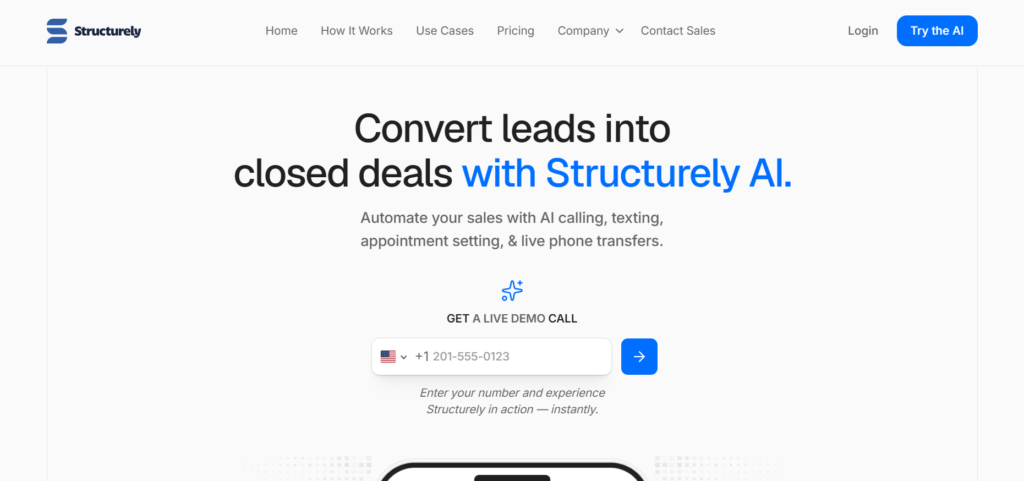
1. Structurely (Holmes AI)
Structurely operates as a conversational lead qualifier. It engages website visitors through text and chat, asking progressive questions about budget, timeline, and location preferences. The system scores intent, books showings directly into agent calendars, and hands off warm leads with full context notes. Agents report 30-40% higher conversion rates compared to static form submissions. The platform integrates with most major CRMs and MLS systems.
Best for: Teams drowning in unqualified portal leads.
Official Site: https://www.structurely.com
2. Revaluate
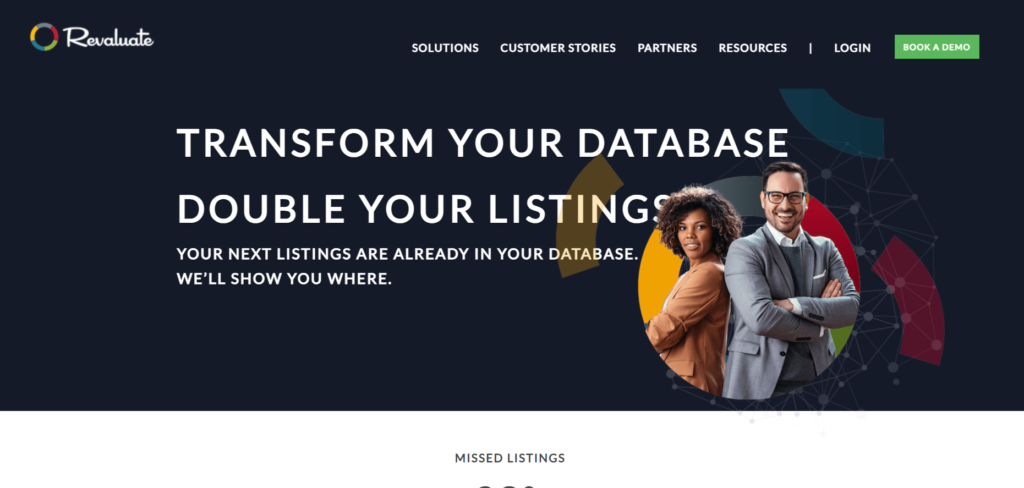
Revaluate focuses on predictive analytics and hyperlocal marketing. It analyzes neighborhood trends, school ratings, price movements, and demographic shifts to generate targeted campaigns. The system identifies homeowners likely to sell within 6-12 months, then automates direct mail, email, and social ads tailored to those specific triggers. Agents receive monthly reports showing campaign performance, lead quality, and ROI breakdowns.
Best for: Farm area domination and predictive seller outreach.
Official Site: https://www.revaluate.com
3. ListingAI
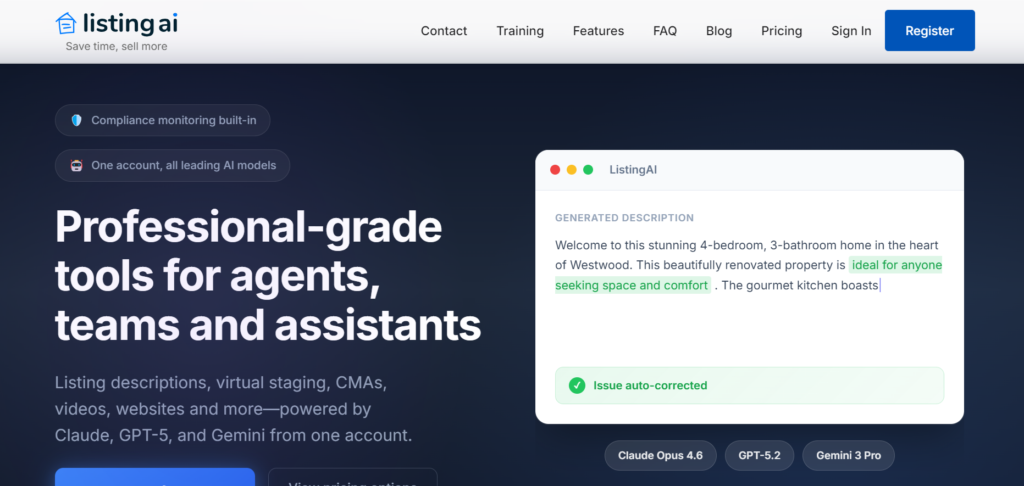
ListingAI automates the entire property marketing pipeline. Agents upload photos and basic details. The platform generates MLS-compliant descriptions, creates social media graphics, schedules posts across platforms, and produces video tour scripts. It maintains brand consistency while eliminating repetitive drafting. The system also suggests pricing adjustments based on local absorption rates and competitor activity.
Best for: High-volume agents needing rapid listing deployment.
Official Site: https://listingai.com
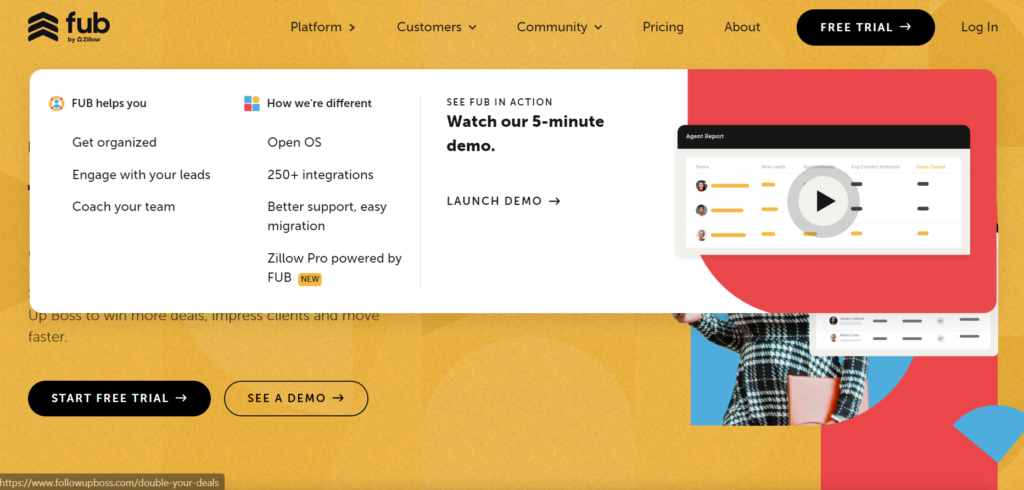
4. Follow Up Boss
Follow Up Boss combines CRM functionality with intelligent automation. It tracks lead sources, logs interactions, and triggers follow-up sequences based on engagement signals. The platform scores leads using behavioral data, routes hot prospects to top performers, and provides pipeline forecasting. Agents access mobile apps that sync calls, texts, and emails automatically.
Best for: Teams requiring unified communication and pipeline visibility.
Official Site: https://www.followupboss.com
5. Sierra Interactive
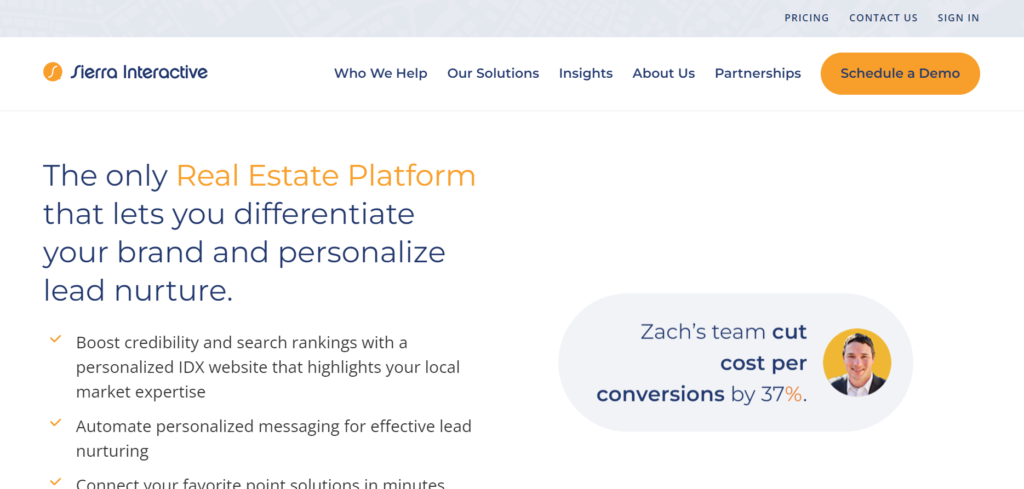
Sierra Interactive merges website design, lead capture, and automated nurturing. It builds IDX-enabled sites, optimizes for local search, and deploys chat assistants that qualify visitors in real time. The platform sends personalized property recommendations based on browsing behavior, tracks email open rates, and alerts agents when leads revisit specific listings. Conversion dashboards show exactly which campaigns drive showings and closings.
Best for: Brokerages wanting end-to-end digital lead generation.
Official Site: https://www.sierrainteractive.com
6. Canva AI (for Real Estate Marketing)
While not industry-specific, Canva’s AI design suite powers listing graphics, social templates, and branded flyers at scale. Agents input property details and style preferences. The system generates multiple layout variations, adjusts typography for readability, and exports platform-optimized sizes. Teams use it to maintain visual consistency across listings without hiring designers.
Best for: Rapid marketing asset creation without design expertise.
Official Site: https://www.canva.com

7. DotLoop (with AI Document Features)
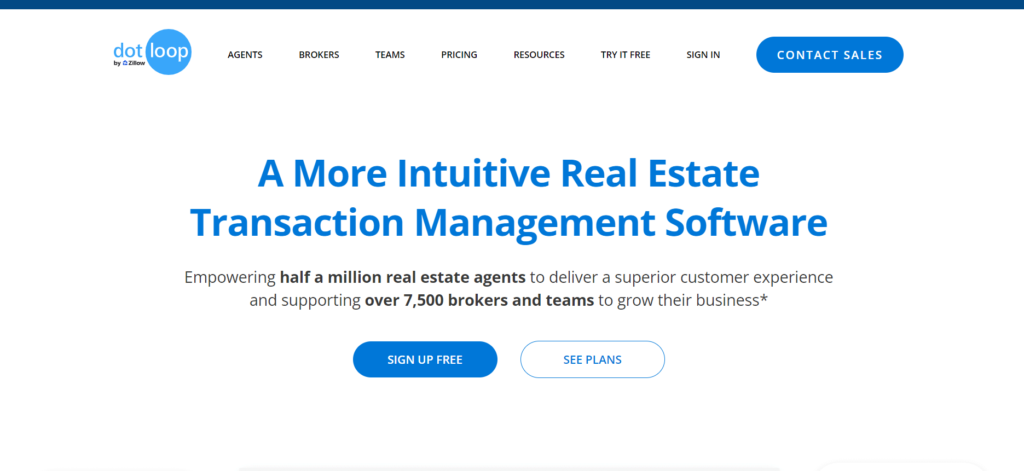
DotLoop streamlines transaction management with automated document routing, e-signature tracking, and compliance checking. Recent AI enhancements parse contracts, flag missing fields, verify signature placement, and send deadline reminders. Brokers monitor transaction pipelines, audit compliance records, and export closing reports without manual compilation. The platform integrates with major MLS and CRM systems.
Best for: Transaction coordination and compliance automation.
Official Site: https://www.dotloop.com
Implementation framework for teams
Deploying AI tools for real estate requires structured rollout. Random adoption creates data silos and workflow friction. Successful teams follow phased integration.
Phase 1: Audit Current Bottlenecks (Week 1)
- Map lead flow from first touch to closing
- Identify tasks consuming disproportionate time
- Measure response times, conversion rates, and cycle lengths
- Prioritize one workflow for initial automation
Phase 2: Platform Selection and Testing (Weeks 2-3)
- Run 14-day trials with actual leads and listings
- Verify CRM and MLS integration compatibility
- Test mobile responsiveness for field agents
- Measure setup time and training requirements
Phase 3: Workflow Integration (Weeks 4-6)
- Configure lead scoring rules and notification routing
- Automate listing publication sequences
- Train staff on dashboard navigation and exception handling
- Establish weekly performance review cadence
Phase 4: Optimization and Scaling (Ongoing)
- Adjust scoring thresholds based on conversion data
- Refine messaging templates using open/click metrics
- Expand automation to secondary workflows
- Document standard operating procedures for new hires
The goal is not full automation. It is strategic augmentation. Human judgment handles negotiations, relationship building, and complex problem-solving. Systems handle repetition, tracking, and rapid response.
Integration mistakes that drain ROI
Even capable platforms underperform when deployed incorrectly. Avoid these common errors.
1. Automating Broken Processes If your lead follow-up lacks structure, automation will scale inefficiency. Fix manual workflows first. Then apply technology.
2. Ignoring Data Hygiene Duplicate contacts, outdated phone numbers, and inconsistent tagging corrupt scoring algorithms. Clean your CRM before importing automation rules. Schedule monthly deduplication routines.
3. Over-Reliance on Default Templates Generic messaging triggers spam filters and disengages prospects. Customize sequences with local market references, agent introductions, and specific property details. Test variations monthly.
4. Neglecting Mobile Experience Agents work from showings, inspections, and closings. If dashboards lag on phones or require desktop-only steps, adoption fails. Verify mobile functionality during trials.
5. Skipping Compliance Reviews Real estate communications face strict regulations. Automated texts, emails, and ads must include required disclosures, licensing information, and opt-out mechanisms. Configure compliance checks before launch.
6. Measuring Vanity Metrics Open rates and click counts mean little without conversion tracking. Tie automation performance to showings booked, offers submitted, and deals closed. Adjust based on revenue impact, not engagement noise.
Frequently asked questions
Do AI tools for real estate replace agents?
No. They replace administrative tasks, not advisory roles. Buyers and sellers still require negotiation strategy, market interpretation, and emotional guidance during high-stakes decisions. Automation handles volume. Agents handle value.
How quickly do teams see ROI?
Most brokerages recover subscription costs within 30-60 days through reduced administrative hours and higher lead conversion. Full workflow optimization typically matures over 90 days as scoring algorithms learn team patterns and messaging templates refine based on performance data.
Can these platforms integrate with existing MLS and CRM systems?
Yes. Leading vendors provide native integrations with major MLS feeds, Follow Up Boss, Salesforce, HubSpot, and property management software. Verify API compatibility and data sync frequency before committing. Most platforms offer sandbox testing environments.
What about data privacy and compliance?
Reputable systems encrypt data in transit and at rest, comply with TCPA and CAN-SPAM regulations, and provide audit trails for communications. Agents remain responsible for obtaining consent, maintaining disclosure accuracy, and honoring opt-out requests. Review vendor security certifications and data processing agreements during selection.
Do AI-generated listing descriptions affect SEO or portal rankings?
Search algorithms prioritize relevance, freshness, and user engagement over creation method. Well-structured descriptions with accurate keywords, clear formatting, and local references perform well regardless of authorship. Avoid keyword stuffing. Focus on readability and factual accuracy.
How do I train staff resistant to automation?
Demonstrate time savings first. Run parallel workflows for two weeks. Show side-by-side comparisons of manual versus automated lead response times, listing deployment speed, and transaction tracking accuracy. Involve skeptical team members in configuration. Ownership drives adoption.
What happens if the platform experiences downtime?
Choose vendors with 99.9% uptime guarantees and redundant server infrastructure. Maintain manual fallback procedures for critical tasks like offer submissions and contract deadlines. Test disaster recovery protocols quarterly. Never rely on a single digital dependency for time-sensitive transactions.
Can small teams or solo agents benefit?
Absolutely. Automation levels the playing field. Solo operators handle lead volume, listing marketing, and transaction coordination that previously required support staff. The time saved redirects toward prospecting, showings, and client retention. Start with one workflow, prove ROI, then expand.