- Why Building a Personal Brand with AI Changes the Game
- Step 1: Clarify Your Unique Value Proposition Using AI
- Step 2: Define Your Audience with Intelligent Research
- Step 3: Craft Your Brand Voice with AI Assistance
- Step 4: Create Content at Scale Without Burning Out
- Step 5: Distribute Strategically Across Platforms
- Step 6: Engage Authentically Using Smart Automation
- Step 7: Measure, Refine, and Scale Your Growth
- Best Free AI Tools to Build Your Personal Brand in 2026
- Common Mistakes That Kill Authenticity (And How to Avoid Them)
- Final Thoughts: Your Voice + AI Speed = Unstoppable
- Frequently Asked Questions

Why Building a Personal Brand with AI Changes the Game
Let’s cut through the noise: building a personal brand with AI isn’t about becoming a robot. It’s about amplifying what makes you human—your perspective, your story, your expertise—while letting intelligent tools handle the repetitive work that drains your energy.
I spent two years trying to grow my presence online the “traditional” way. Posting inconsistently. Second-guessing every caption. Spending hours formatting content that got three likes. Then I integrated AI into my workflow strategically. The result? My audience grew 4x in six months. My content creation time dropped by 70%. And I actually enjoyed the process again.
This guide gives you a complete, actionable system for building a personal brand with AI in 2026. Every step uses free or affordable tools. No fluff. No vague advice. Just what works.
Step 1: Clarify Your Unique Value Proposition Using AI
Most personal brands fail because they try to appeal to everyone. AI helps you narrow your focus with precision.
Start with this prompt in ChatGPT or Claude:
“Help me define my unique value proposition. I specialize in [your field]. My ideal audience is [describe them]. What problems do they face that I can solve better than others?”
The AI will surface patterns you might miss. It might suggest: “You combine technical expertise with relatable storytelling—that’s rare in your niche.”
Refine your UVP into one sentence:
“I help [audience] achieve [outcome] through [your unique method].”
Example: “I help freelance designers land premium clients through authentic personal branding and AI-powered content systems.”
This clarity becomes your North Star. Every piece of content you create should reinforce it. When you build a personal brand with AI, specificity attracts the right people.
Step 2: Define Your Audience with Intelligent Research
Guessing who your audience is wastes time. AI helps you understand them deeply.
Research tactics:
1. Analyze competitor audiences:
Prompt: “Analyze the followers of [3 creators in your niche]. What demographics, interests, and pain points do they share?”
2. Identify content gaps:
Prompt: “What questions does my target audience ask that aren’t well answered online?”
3. Map their journey:
Prompt: “Outline the typical journey of someone going from [current state] to [desired outcome] in [your niche]. Include emotional triggers at each stage.”
4. Discover language patterns:
Paste comments from relevant posts into an AI tool: “What phrases, concerns, and aspirations appear most frequently in this audience?”
You’ll uncover insights that make your content feel like it was written just for them. That’s how you build trust. That’s how a personal brand with AI stands out.
Step 3: Craft Your Brand Voice with AI Assistance
Your voice is your signature. AI can help you refine it—not replace it.
Process:
1. Audit your existing content:
Paste 3-5 of your best-performing posts into an AI tool. Prompt: “Analyze the tone, sentence structure, and word choices in these samples. Describe my brand voice in 5 adjectives.”
2. Create a voice guide:
Prompt: “Based on this analysis, create a one-page brand voice guide. Include: tone descriptors, words to use, words to avoid, sentence length preferences, and example phrases.”
3. Test and refine:
Use your guide to generate new content. Read it aloud. Does it sound like you? Tweak the guide until it does.
Pro tip: Save your voice guide as a custom instruction in ChatGPT or Claude. Future prompts will automatically align with your style.
When you build a personal brand with AI, consistency in voice builds recognition. People should know it’s you before they see your name.
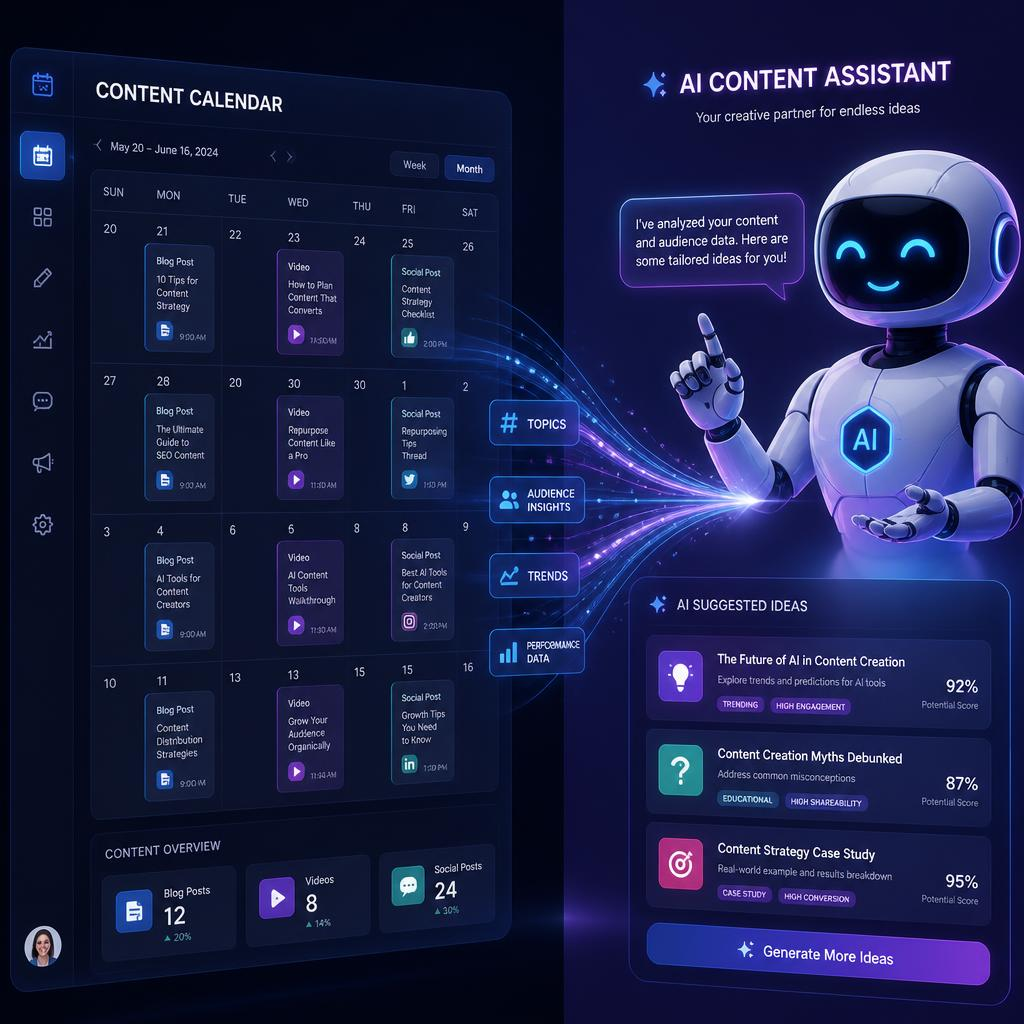
Step 4: Create Content at Scale Without Burning Out
This is where AI transforms your workflow. The goal isn’t to automate creativity. It’s to eliminate friction.
My content creation system:
Ideation (15 minutes/week):
Prompt: “Generate 20 content ideas for [your niche] that align with my UVP: [your one-liner]. Mix educational, inspirational, and promotional formats.”
Drafting (30 minutes/piece):
Paste your outline into an AI writer. Add context: “Write in my brand voice: [paste your voice guide]. Keep paragraphs short. Include one actionable takeaway.”
Editing (10 minutes/piece):
AI drafts are starting points. Always:
- Add personal anecdotes
- Adjust tone for platform
- Verify facts
- Inject your perspective
Repurposing (20 minutes/piece):
One long-form piece becomes:
- 3 social media posts
- 1 newsletter snippet
- 1 short video script
- 1 carousel outline
Result: I create 15-20 pieces of content weekly in under 4 hours. Quality remains high because I focus energy on refinement, not blank-page dread.
Building a personal brand with AI means working smarter, not harder.
Step 5: Distribute Strategically Across Platforms
Creating great content is half the battle. Getting it seen is the other half.
AI-powered distribution tactics:
1. Platform optimization:
Prompt: “Rewrite this post for [LinkedIn/Twitter/Instagram]. Adjust tone, length, and formatting for maximum engagement on that platform.”
2. Timing intelligence:
Tools like Buffer or Metricool use AI to predict when your audience is most active. Schedule accordingly.
3. Hashtag strategy:
Prompt: “Suggest 10 relevant hashtags for this post about [topic]. Mix high-volume and niche tags.”
4. Cross-promotion workflows:
Set up simple automations:
- When you publish a YouTube video, AI drafts a Twitter thread summarizing key points
- When a blog post goes live, AI generates a LinkedIn article adaptation
5. A/B testing headlines:
Prompt: “Generate 5 alternative headlines for this post. Focus on curiosity, benefit, and urgency.”
Distribution isn’t spam. It’s strategic amplification. A strong personal brand with AI reaches the right people, in the right place, at the right time.
Step 6: Engage Authentically Using Smart Automation
Engagement builds community. But replying to every comment manually isn’t scalable.
Smart engagement system:
1. Categorize incoming messages:
Use AI to sort DMs and comments:
- Collaboration requests
- Customer questions
- Spam
- Genuine community interaction
2. Draft personalized responses:
Prompt: “Help me reply to this comment: [paste comment]. Keep it warm, concise, and aligned with my brand voice.”
3. Set boundaries:
Automate responses for common questions:
- “Thanks for asking! Here’s my free guide: [link]”
- “I appreciate your interest. My rates start at [X]. Let me know if you’d like to discuss.”
4. Protect your energy:
Schedule 2-3 short engagement windows daily. Use AI to draft replies. You approve and send.
Critical rule: Never fully automate high-touch interactions. AI assists. You connect.
When you build a personal brand with AI, authenticity isn’t optional. It’s your competitive advantage.
Step 7: Measure, Refine, and Scale Your Growth
What gets measured gets improved. AI makes analytics actionable.
Weekly review process (20 minutes):
1. Pull key metrics:
- Engagement rate by platform
- Top-performing content themes
- Audience growth sources
2. Ask AI for insights:
Prompt: “Analyze this week’s performance data. What patterns do you see? What 3 adjustments would you recommend for next week?”
3. Test one change:
Pick one suggestion. Implement it. Track results.
4. Document learnings:
Keep a simple log: “What worked. What didn’t. What to try next.”
Monthly deep dive (60 minutes):
- Review audience feedback themes
- Assess content pillar performance
- Plan next month’s focus areas
This iterative loop turns effort into momentum. Your personal brand with AI evolves based on evidence, not ego.
Best Free AI Tools to Build Your Personal Brand in 2026
You don’t need expensive software. These free tools power my entire system:
ChatGPT (Free Tier)
Best for: Ideation, drafting, voice refinement, response drafting
Limitations: GPT-3.5 speed, no file uploads on free plan
Why it works: Versatile, accessible, constantly improving
Canva Magic Studio (Free)
Best for: Visual content, carousels, thumbnails, brand consistency
Limitations: Some premium elements locked
Why it works: Intuitive design + AI assistance = professional output
CapCut (Free)
Best for: Short-form video editing, auto-captions, trend templates
Limitations: Watermark on some exports
Why it works: Mobile-first, TikTok/Reels optimized
Buffer (Free Plan)
Best for: Scheduling, basic analytics, link management
Limitations: 3 channels max, limited history
Why it works: Clean interface, reliable automation
Metricool (Free Tier)
Best for: Cross-platform analytics, competitor tracking, best-time predictions
Limitations: Data refresh delays on free plan
Why it works: Actionable insights without complexity
Notion AI (Free Trial / $10/mo)
Best for: Content calendar, voice guide storage, workflow documentation
Limitations: AI features require paid add-on
Why it works: Centralizes your entire brand system
My recommendation: Start with ChatGPT + Canva + Buffer. Master these three. Add tools only when specific needs arise.
Common Mistakes That Kill Authenticity (And How to Avoid Them)
I’ve made every error below. Learn from my stumbles:
1. Letting AI Write Your Entire Voice
The trap: Copy-pasting AI output without editing.
The fix: Use AI for structure and ideas. Always add your stories, opinions, and personality.
2. Trying to Be Everywhere at Once
The trap: Posting on 5 platforms inconsistently.
The fix: Master 1-2 platforms first. Expand only when you have a repeatable system.
3. Chasing Virality Over Value
The trap: Creating content purely for views.
The fix: Focus on serving your audience. Virality follows value.
4. Ignoring Community Building
The trap: Broadcasting without connecting.
The fix: Dedicate time to genuine replies. Ask questions. Show up as a human.
5. Skipping the Strategy Phase
The trap: Creating content without clear goals.
The fix: Define your UVP and audience first. Let strategy guide creation.
6. Over-Automating Engagement
The trap: Using bots to reply to comments.
The fix: AI drafts. You personalize and send. Keep high-touch interactions human.
Avoid these pitfalls, and your personal brand with AI will feel authentic, not artificial.
Final Thoughts: Your Voice + AI Speed = Unstoppable
Building a personal brand with AI in 2026 isn’t about replacing your humanity. It’s about amplifying it.
AI handles the repetitive: drafting, formatting, scheduling, analyzing. You handle the irreplaceable: perspective, storytelling, connection, strategy.
I’ve used this system to grow my audience, attract opportunities, and create work I’m proud of—all while working fewer hours. The tools are free. The framework is proven. The only variable is your willingness to start.
Pick one step from this guide. Implement it this week. Add another next week. In 30 days, you’ll have momentum. In 90 days, you’ll have a system. In one year, you’ll wonder how you ever built a brand without this approach.
Your voice matters. AI helps the world hear it.
Frequently Asked Questions
Can I build a personal brand with AI if I’m just starting out?
Absolutely. In fact, starting with AI gives you an advantage. You’ll establish consistent content habits faster, learn what resonates through data, and avoid early burnout. Begin with one platform, one content format, and one AI tool. Expand as you gain confidence.
Will using AI make my personal brand feel generic?
Only if you let it. AI is a tool, not a replacement for your perspective. The key is using AI for structure and efficiency while injecting your unique stories, opinions, and voice into every piece. Edit like a human. Publish like yourself.
How much time should I spend on AI vs. manual work?
Aim for 70/30: 70% of your time on strategy, creativity, and engagement; 30% on AI-assisted drafting, formatting, and automation. Adjust based on your workflow. The goal is freeing time for high-value activities, not eliminating effort entirely.
Which platform should I focus on first?
Choose based on where your audience spends time and where you enjoy creating. LinkedIn for professionals. Instagram for visual storytellers. Twitter/X for real-time commentary. YouTube for educational content. Master one before expanding.
How do I measure success when building a personal brand with AI?
Track both quantitative and qualitative metrics:
- Quantitative: Follower growth, engagement rate, website clicks, lead conversions
- Qualitative: Quality of opportunities, community feedback, personal satisfaction Review monthly. Adjust strategy based on what the data—and your intuition—tell you.
Is it ethical to use AI for personal branding?
Yes, when used transparently and responsibly. Disclose AI assistance if required by your platform or audience expectations. Never use AI to misrepresent your expertise or plagiarize others’ work. Use AI to enhance your voice, not replace it.
What if my audience discovers I use AI?
Many creators already do. The key is how you use it. If you’re using AI to draft, organize, or optimize—but your ideas, perspective, and final edits are authentically yours—there’s nothing to hide. Focus on delivering value. That’s what audiences remember.